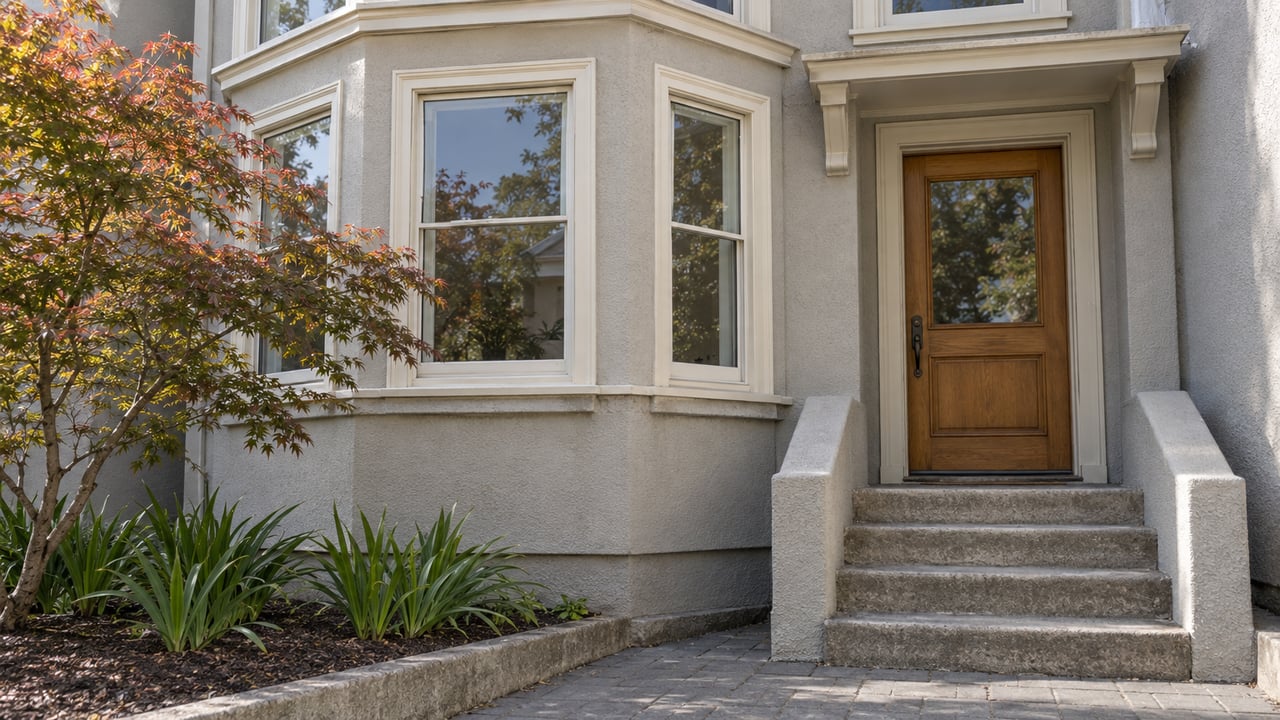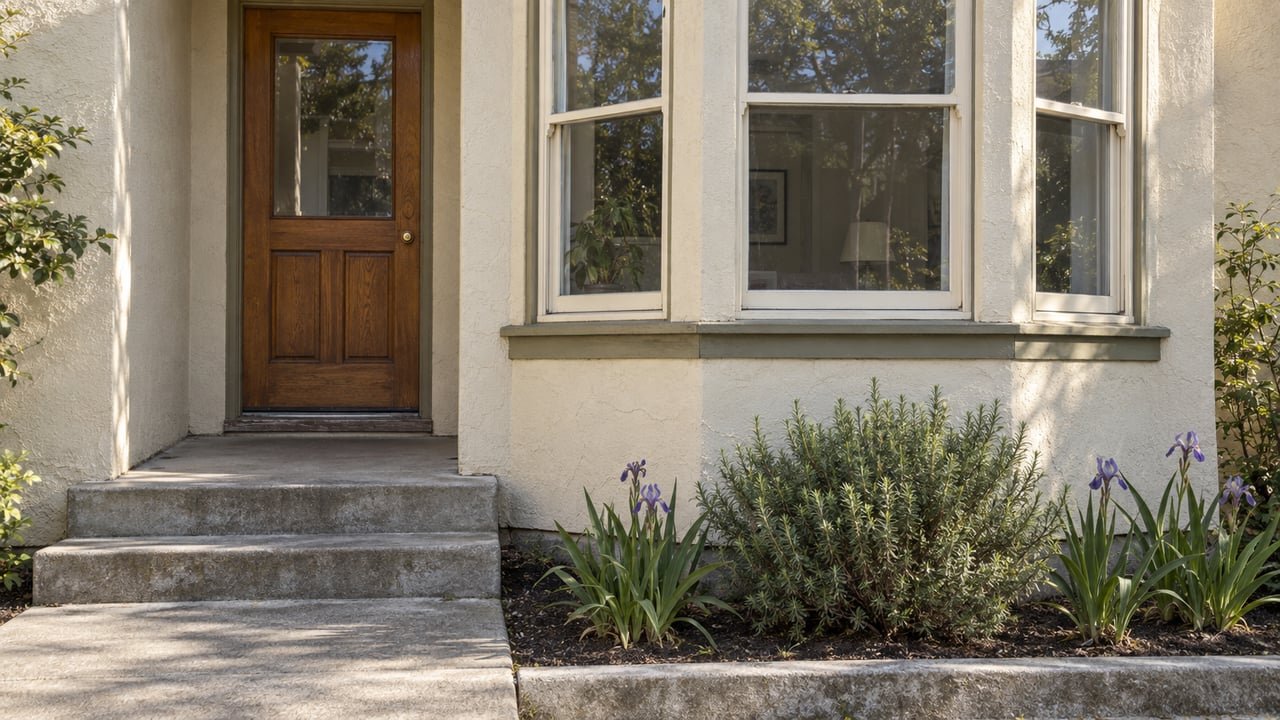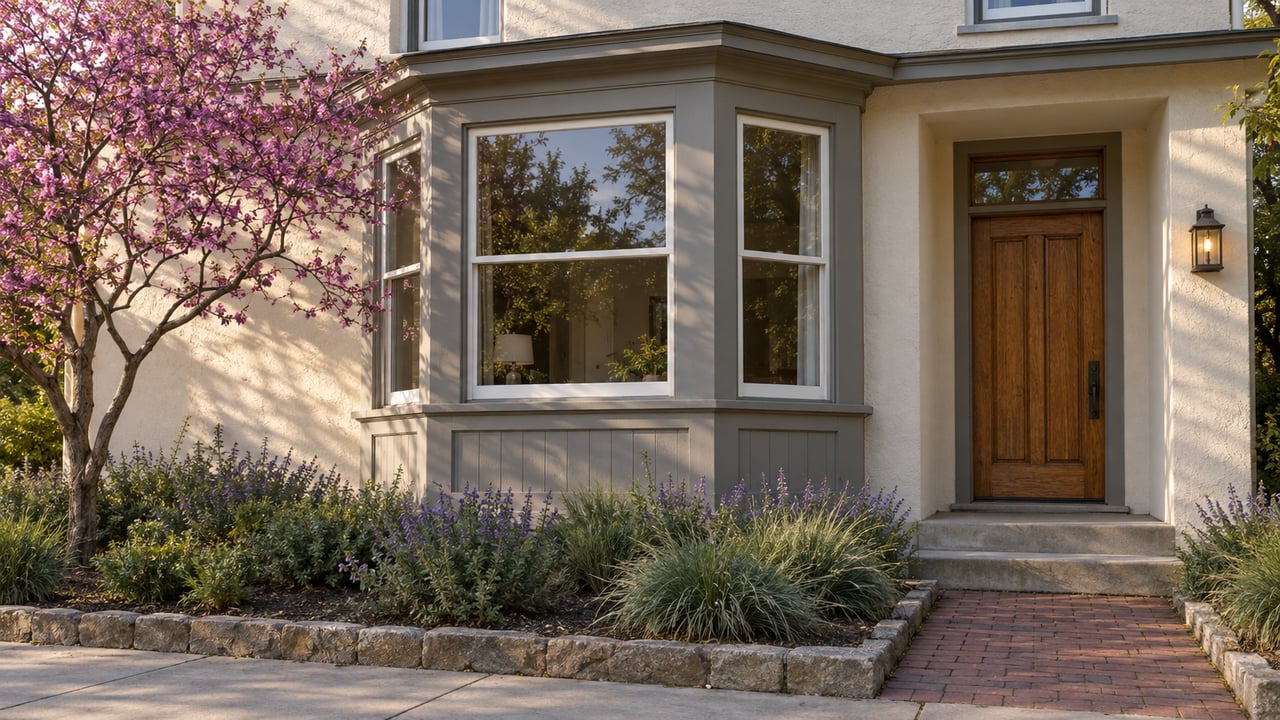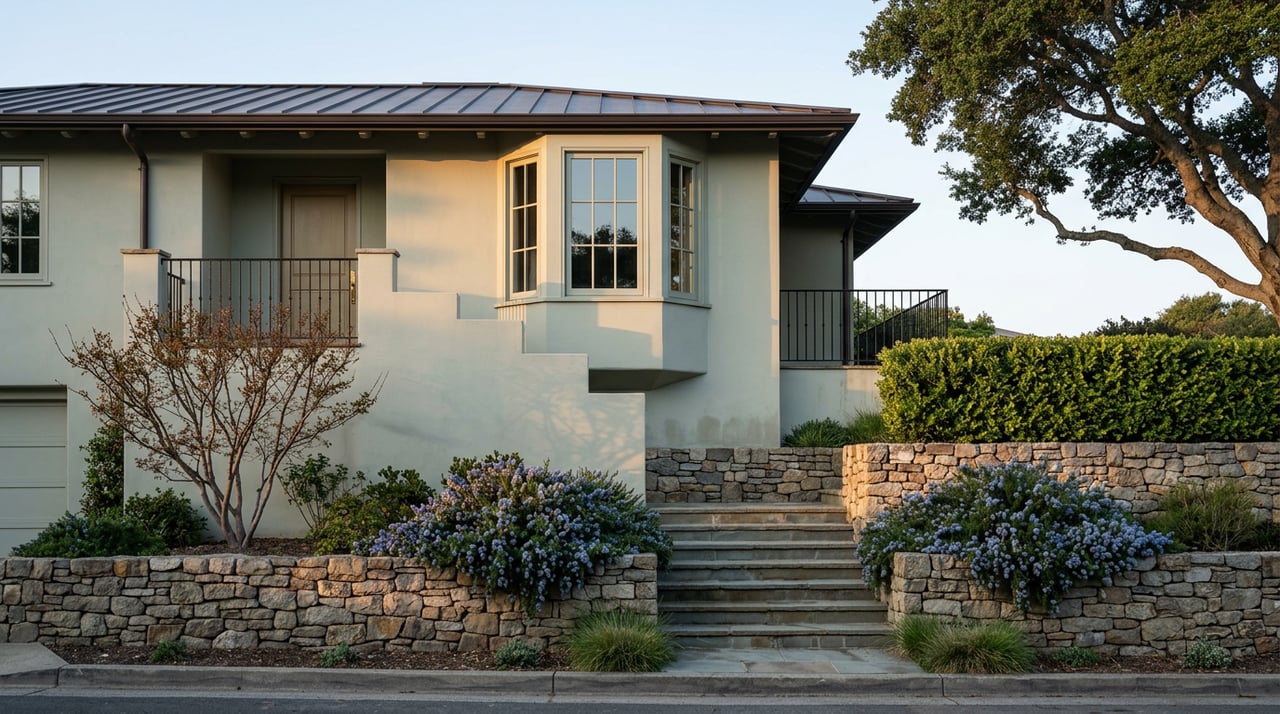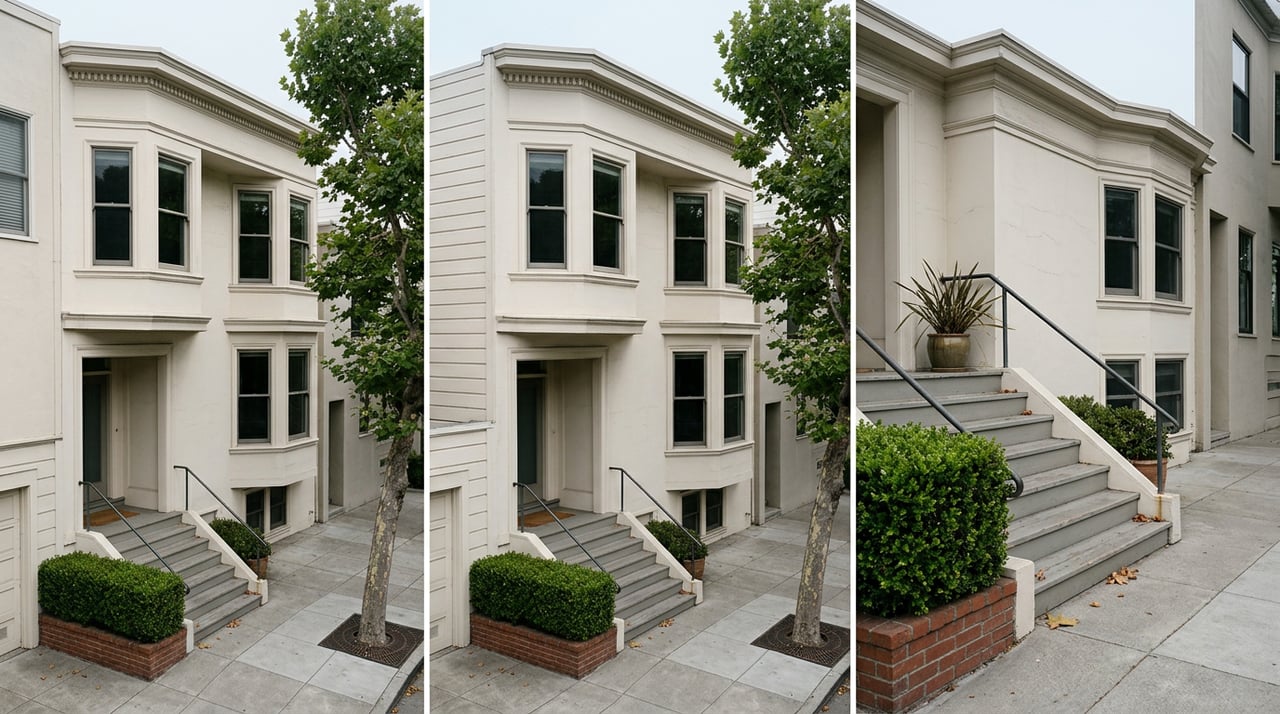
Wondering what it really takes to make your San Francisco home stand out today? In a market where buyers move fast but compare everything online, the homes that win attention usually are not the ones with the biggest remodel budgets. They are the ones that feel clean, well-prepared, easy to understand, and well-priced from day one. If you are getting ready to sell, this guide will show you where to focus your time and money so your home appeals to today’s buyers in San Francisco. Let’s dive in.
Why preparation matters in San Francisco
San Francisco is still a high-priced, fast-moving market. Zillow reported the city’s average home value at $1,393,773 as of May 31, 2026, and Redfin’s March 2026 city report showed a median sale price of $1.6875 million with homes averaging about 14 days on market.
That speed can make it tempting to assume almost any listing will sell. But today’s buyers are highly informed and very comparison-driven. Many have been searching for months, and most are judging homes online before they ever step through the front door.
Zillow’s 2025 buyer research found that 68% of buyers had already viewed homes on a real estate website, and 95% of buyers use online tools during their search. The same research showed buyers care most about floor plans, high-resolution photos, and 3D or virtual tours. That means your home’s first showing is often digital.
Focus on visible, practical improvements
Before you spend heavily on upgrades, step back and think like a buyer. Most buyers respond best to homes that feel move-in ready, bright, and functional. They are often less excited by expensive, highly personal renovations that do not match their taste.
The strongest pre-sale updates are usually simple ones with high visibility. Decluttering, deep cleaning, depersonalizing, and fixing obvious defects can do more for buyer confidence than a major project that drains your budget.
Redfin’s San Francisco home-trend data suggests practical features such as new appliances and tankless hot water heaters can support strong sale-to-list performance. That lines up with a broader pattern in today’s market: buyers notice functional improvements they can photograph, understand, and appreciate right away.
Start with the basics buyers notice first
If you want a strong return on effort, begin with the details that shape first impressions:
- Remove excess furniture to make rooms feel larger
- Clear countertops, shelves, and entry areas
- Deep clean floors, walls, kitchens, and baths
- Repair scuffed paint, loose hardware, and visible wear
- Replace burned-out bulbs and improve dim lighting
- Reduce personal photos and highly specific decor
These steps help buyers focus on the home itself instead of your belongings or deferred maintenance. They also make photography much more effective.
Choose a neutral, broad-appeal look
Color matters more than many sellers realize. Buyers tend to respond better to neutral palettes that make spaces feel calm, bright, and adaptable.
Research cited in the report shows that bold colors such as lime green, bold pink, red, purple, bold orange, and mustard yellow can be especially off-putting to buyers. If your home has strong or highly specific color choices, repainting key rooms in light, neutral tones can make the property feel more current and easier to picture as their own.
Fix the showing issues that turn buyers off
Even in a strong market, buyers react emotionally to what they see, smell, and feel. If your home appears dirty, dark, crowded, or hard to maintain, that reaction can lower interest quickly.
According to the research report, common buyer turnoffs include lingering odors, too much personal decor, overstuffed storage, poor lighting, visible dirt, overwhelming color, and homes that do not feel move-in ready. These are not complicated problems, but they can affect perceived value in a big way.
Use this pre-listing checklist
Before your home hits the market, make sure you address these high-impact items:
- Eliminate pet, cooking, smoke, or musty odors
- Organize closets and storage so they look spacious
- Open window coverings and maximize natural light
- Clean grout, baseboards, vents, and appliances
- Touch up worn surfaces and minor cosmetic flaws
- Make the entry sequence feel open and welcoming
Small issues can signal larger ones in a buyer’s mind. A polished presentation helps create confidence from the start.
Stage the rooms that carry the listing
You do not always need to stage every square foot. But you do need to stage the spaces buyers remember most.
NAR’s 2025 staging report found that 83% of buyers’ agents said staging made it easier for buyers to visualize a property as a future home. The report also found that 29% said staging increased the dollar value offered by 1% to 10%, while 49% of sellers’ agents said staging reduced time on market.
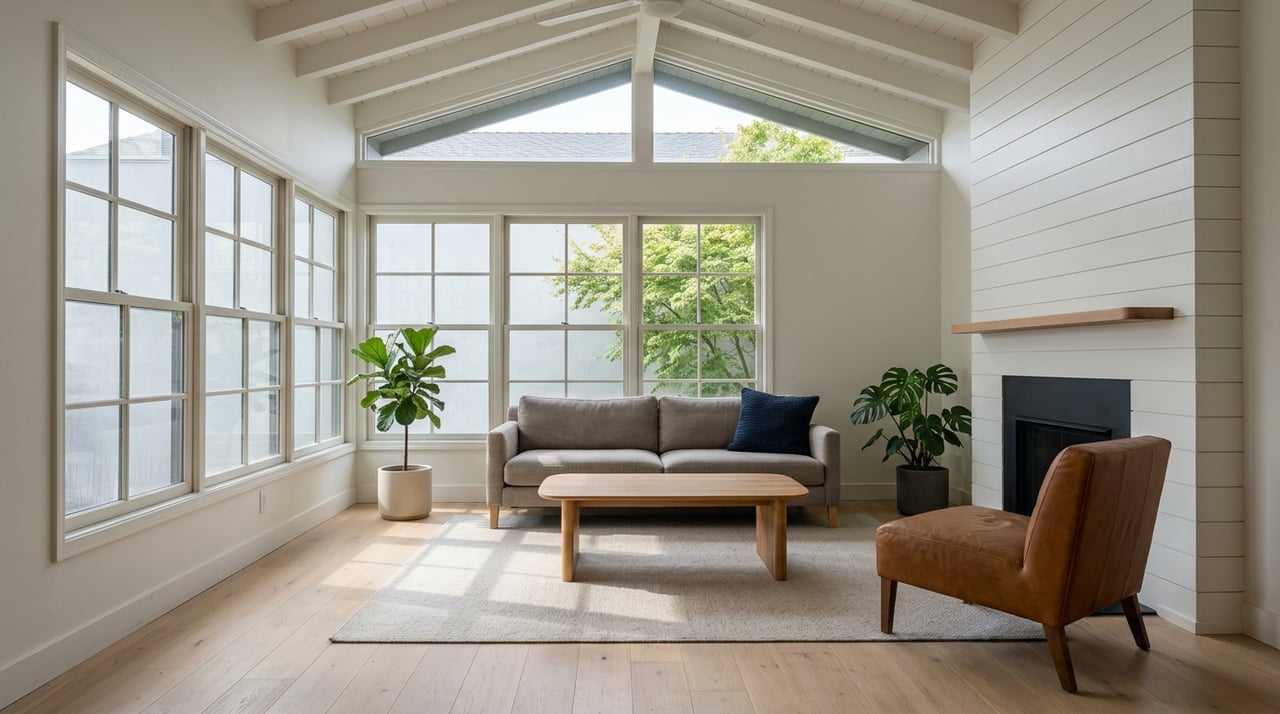
In practical terms, staging helps your home feel intentional. It can define awkward spaces, improve scale, and create a stronger emotional connection in photos and in person.
Prioritize the most important rooms
If your budget is limited, focus on the rooms buyers use to make emotional and spatial decisions:
- Living room
- Primary bedroom
- Dining room
- Kitchen
- Front entry or arrival sequence
The living room tends to matter most, followed by the primary bedroom and dining room. If the home is vacant or has an unusual layout, partial staging in these key areas can be more effective than spreading your budget thinly across every room.
Prepare for a digital-first launch
Most buyers will meet your home online before they ever schedule a showing. That makes your launch strategy just as important as the physical preparation.
According to Zillow’s research, the ideal listing photo count is 22 to 27 images. Homes with fewer than nine photos are about 20% less likely to sell within 60 days than homes with 22 to 27 photos. Interestingly, listings with more than 28 photos can actually take longer to sell.
That tells you something important. Buyers want a complete, polished visual story, but they also want it to be curated and easy to follow.
What buyers want to see online
Your marketing package should help buyers understand the home quickly and clearly. The research report points to three features buyers value most:
- Floor plans
- High-resolution photos
- 3D or virtual tours
In San Francisco, where homes often have unique layouts, stairs, compact rooms, or multi-level living, clear visuals are especially important. A thoughtful media package can reduce confusion and increase serious interest.
Price with discipline, not hope
Preparation and marketing matter, but pricing is what brings the whole strategy together. If your home looks great online but feels overpriced compared with recent comparable sales, buyers may pass before they ever book a tour.
Zillow’s home-characteristics study found that homes priced 12% or more above estimated market value were almost 50% less likely to sell within 60 days than homes priced closer to market value. In a market like San Francisco, that is a strong reminder that buyers are watching value closely.
The best pricing strategy is usually grounded in recent comparable sales, current competition, and your home’s actual condition. It should not be based only on what you spent on improvements or the number you hope to achieve.
Launch preparation and pricing together
Your pricing strategy should match the condition and presentation of the home from day one. That means:
- Finish prep work before listing
- Coordinate staging and photography before launch
- Review comparable sales in the immediate market
- Factor in current condition honestly
- Aim to create confidence, not hesitation
In a market where homes can go pending in about two weeks, a clean launch can make a major difference. Good preparation supports pricing, and smart pricing helps your preparation pay off.
Watch for San Francisco permit issues
Not every pre-sale improvement is purely cosmetic. In San Francisco, some seemingly simple work can trigger permit requirements.
The San Francisco Department of Building Inspection has noted that projects involving floor covering replacement, windows, built-in cabinets, or stair repairs can require permits. If you are considering work beyond basic touch-ups, it is wise to confirm what is allowed before you begin.
Lead safety also matters in older housing stock. The research report notes that renovation, repair, or painting work that disturbs lead-based paint in pre-1978 homes can create hazardous dust and must follow lead-safe rules.
Know when to pause and verify
Before starting pre-sale work, take a closer look if your project includes:
- Window replacement
- Stair repairs
- Built-in cabinet changes
- Floor covering replacement
- Sanding, scraping, or cutting painted surfaces in older homes
This is especially relevant in San Francisco, where many homes have age, character, and construction details that deserve careful handling.
Keep your strategy simple and buyer-focused
The strongest San Francisco listings often follow a restrained playbook. Clean up what buyers will notice right away. Improve the rooms and features that help the home photograph well. Stage the areas that shape emotion and flow. Then price with discipline based on the market in front of you.
You do not need to outspend every competing seller. You need to make it easy for buyers to understand the value of your home, both online and in person. That is what helps a listing stand out in today’s comparison-heavy market.
If you are thinking about selling in San Francisco and want practical guidance on where to invest before listing, The BloomHomes Team can help you make smart, market-aware decisions from prep through pricing.
FAQs
What matters most when preparing a San Francisco home for sale?
- The biggest priorities are decluttering, deep cleaning, depersonalizing, fixing obvious defects, improving lighting, and making the home feel move-in ready for online and in-person buyers.
Should you remodel before listing a home in San Francisco?
- Usually, buyers respond best to visible, practical improvements rather than major personalized remodels, especially when the goal is to create a clean, current, broad-appeal presentation.
Which rooms should you stage before selling a San Francisco home?
- If you are staging selectively, focus first on the living room, primary bedroom, dining room, kitchen, and front entry because those spaces often shape buyer impressions the most.
How important are listing photos for a San Francisco home sale?
- They are extremely important because most buyers start online, and the research report shows buyers highly value floor plans, high-resolution photos, and virtual tours when comparing homes.
Can cosmetic work on a San Francisco home require permits?
- Yes, some projects that seem simple, including certain floor covering, window, built-in cabinet, and stair work, can require permits, so it is smart to verify local rules before starting.
How should you price a San Francisco home after preparing it for sale?
- The best approach is to price from recent comparable sales, current market conditions, and your home’s real condition rather than from renovation costs or an aspirational target.