Selling a home in Berkeley can feel like a moving target. Between California disclosures, Berkeley-specific compliance rules, and the normal question of which repairs are actually worth doing, it is easy to spend money in the wrong places or lose time on the wrong tasks. The good news is that a smart pre-sale plan can help you reduce surprises, protect your timeline, and make better decisions before your home hits the market. Let’s dive in.
Why pre-sale inspections matter in Berkeley
In California, sellers of most 1-to-4 unit residential properties must provide a Transfer Disclosure Statement describing the property’s condition. That disclosure is not a warranty, but it does put a real spotlight on what you know about the home and what a buyer is likely to discover.
California rules also require the seller’s agent to conduct a visual inspection for readily observable defects. If disclosures are delivered after an offer is accepted, the buyer may have a short window to terminate, which can create risk late in the deal. That is one reason many Berkeley sellers benefit from getting ahead of issues before listing.
A pre-sale inspection gives you a clearer picture of what may come up during buyer investigations. From there, you can decide what to repair, what to disclose, and what to price around with a more informed strategy.
Start with the right Berkeley priorities
Not every home needs the same pre-listing work. In Berkeley, the most useful first steps are usually the ones tied to local compliance, permit history, and issues that can delay escrow or trigger negotiation.
A strong early review often includes:
- General property condition
- Sewer lateral status
- Recent repair and permit records
- Electrical capacity or outdated wiring concerns
- Visible structural, plumbing, or safety issues
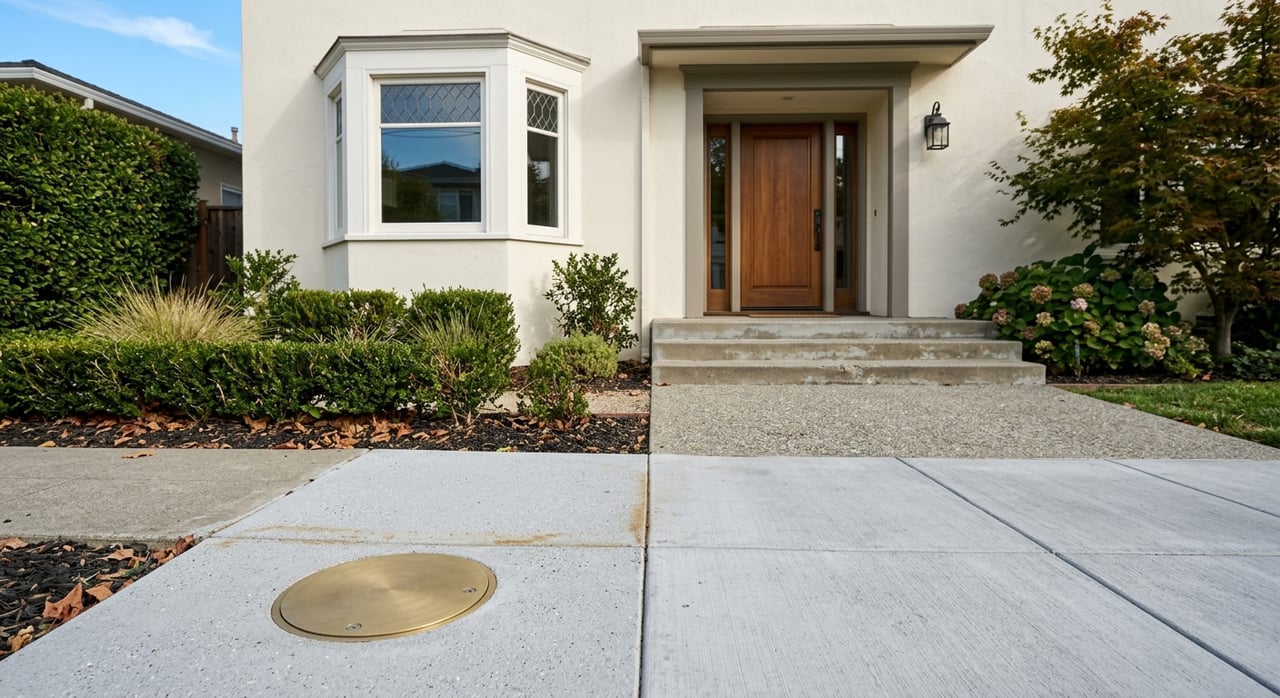
- Sidewalk conditions adjacent to the property
- BESO applicability for single-family homes and duplexes
If your home is tenant-occupied, you also need to think about tenancy documentation and Berkeley Rent Board rules as part of your sale prep.
Berkeley sewer lateral compliance
One of the biggest local items for Berkeley sellers is the private sewer lateral requirement. Berkeley requires a Sewer Lateral Certificate by close of escrow for most sales unless an extension is granted.
If the lateral is less than 20 years old or was completely replaced within the last 20 years, that may satisfy the requirement with the right documentation. Otherwise, you will generally need testing and may need repair or replacement before certification.
The city guide says a typical lateral repair or replacement may cost about $3,000 to $4,500. A six-month extension currently requires a $4,500 deposit, so this is not something you want to leave until the last minute if you can avoid it.
Certificates can also remain valid for years depending on how they were obtained. In some cases, they remain valid for 20 years after replacement or seven years after a passing test or point repair, and they are transferable.
Why sewer lateral timing matters
Sewer lateral work can affect your budget, listing timeline, and escrow schedule. If you verify your status early, you may avoid rushed contractor scheduling and last-minute negotiations with buyers.
This rule can also apply to condos and shared-lateral developments. In those situations, the HOA may be able to satisfy the obligation for the shared line, but documentation matters.
Berkeley BESO rules before listing
For many Berkeley sellers, the newest major item is the Building Emissions Saving Ordinance, or BESO. As of January 1, 2026, anyone selling a single-family home or duplex in Berkeley must get a Home Energy Score before listing.
That score must be posted in the MLS and included in disclosure and transfer documents. The report is valid for five years, Berkeley charges a $150 filing fee, and failure to complete or disclose the score can trigger a $500 non-compliance fee.
After getting the score, sellers generally have three paths:
- Complete required upgrades before the sale
- Qualify for an exemption
- Defer responsibility to the buyer
If you choose the deferral path, the buyer and seller coordinate a $5,000 deposit with the city. The buyer then has two years to complete the upgrades and obtain a refund.
Which properties are affected
The current time-of-sale BESO requirement applies to single-family homes and duplexes. Triplexes and fourplexes phase in starting in January 2028, while condos and ADUs are exempt.
Because the score is required before listing, this is one of the first items to confirm if you are planning a Berkeley sale. It is not just a paperwork detail. It affects your launch timing and may influence how you frame upgrades or credits.
Sidewalk issues sellers should not ignore
Berkeley treats adjacent sidewalk upkeep as an ongoing property-owner responsibility. Owners must keep the sidewalk safe, and they can either hire a contractor with permits or use the city’s 50-50 program.
If a city street tree caused the damage, the city may share more of the cost. If a private tree caused the damage, the owner is responsible.
The important practical point is simple: even though sidewalk repair is not described by the city as a separate sale certificate, visible sidewalk defects can still become a pre-listing concern. Waiting on a city list does not remove the owner’s responsibility, and temporary make-safe repairs are not the same as permanent correction.
California disclosures and repair records
Berkeley sellers also need to think carefully about documentation. California’s disclosure rules already make expert reports useful, and the Department of Real Estate notes that a report or opinion from a qualified expert can help satisfy disclosure obligations.
That makes pre-listing inspections especially helpful when you have known issues, older systems, or recent work that may draw buyer questions. Instead of reacting under pressure, you can prepare a cleaner disclosure package from the start.
This matters even more if you have owned the home for less than 18 months. California’s newer disclosure rule requires certain contractor-performed additions, structural modifications, alterations, or repairs over $500 to be disclosed for some recent owners.
Gather these records early
Before listing, it helps to collect:
- Permits for past work
- Contractor invoices and receipts
- Sewer lateral certificate records
- Recent inspection reports
- BESO Home Energy Score documentation, if applicable
- Records for major repairs or replacements
A complete paper trail can reduce uncertainty and make buyer questions easier to answer.
Which repairs usually pay off
If your budget is limited, the usual order of priority is practical. Start with required compliance items, then address safety or habitability issues, then fix obvious visual defects, and finally spend on lower-cost presentation improvements.
That approach tends to be more efficient than diving into a large cosmetic remodel without a clear reason. In Berkeley, required items like sewer lateral compliance or BESO planning often deserve attention before taste-based upgrades.
National staging research also supports a simple strategy. The most common seller recommendations were decluttering, whole-home cleaning, and curb appeal improvements, while many agents reported that staging reduced market time and sometimes improved the dollar value offered.
Smart pre-listing fixes to consider
Depending on the property, useful pre-sale work may include:
- Cleaning and decluttering
- Paint touch-ups and patching
- Landscape maintenance and pruning
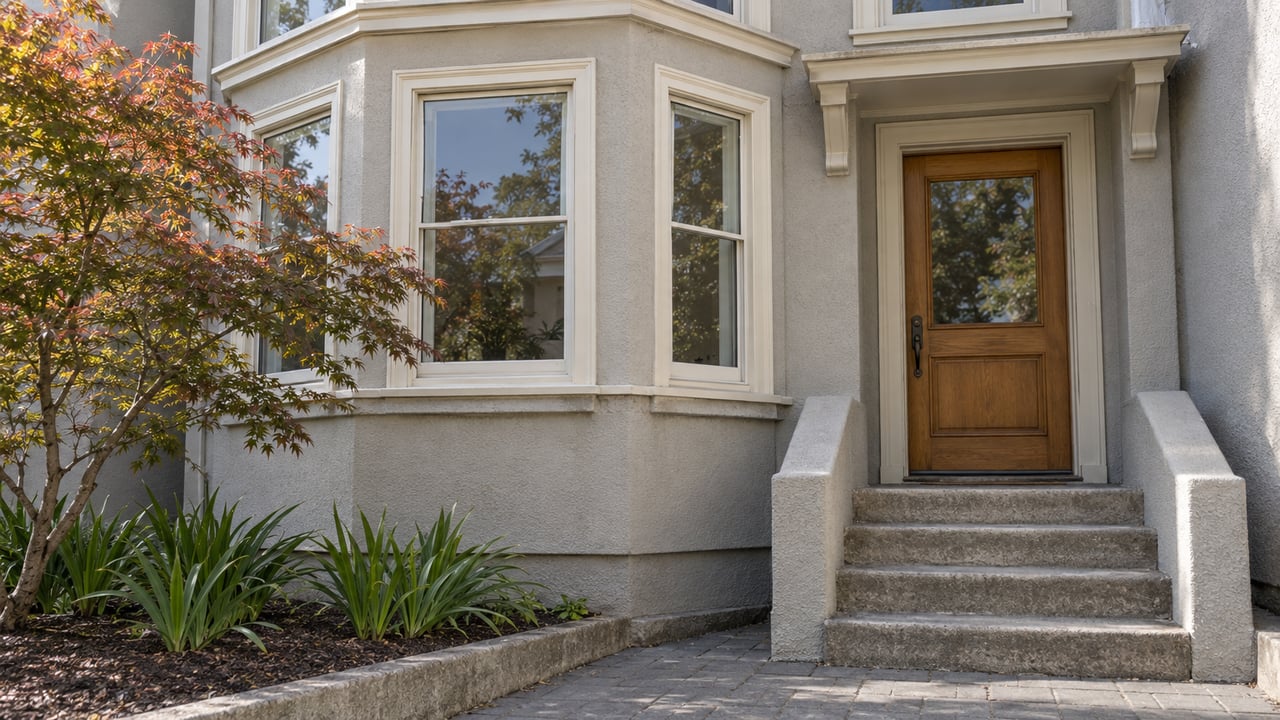
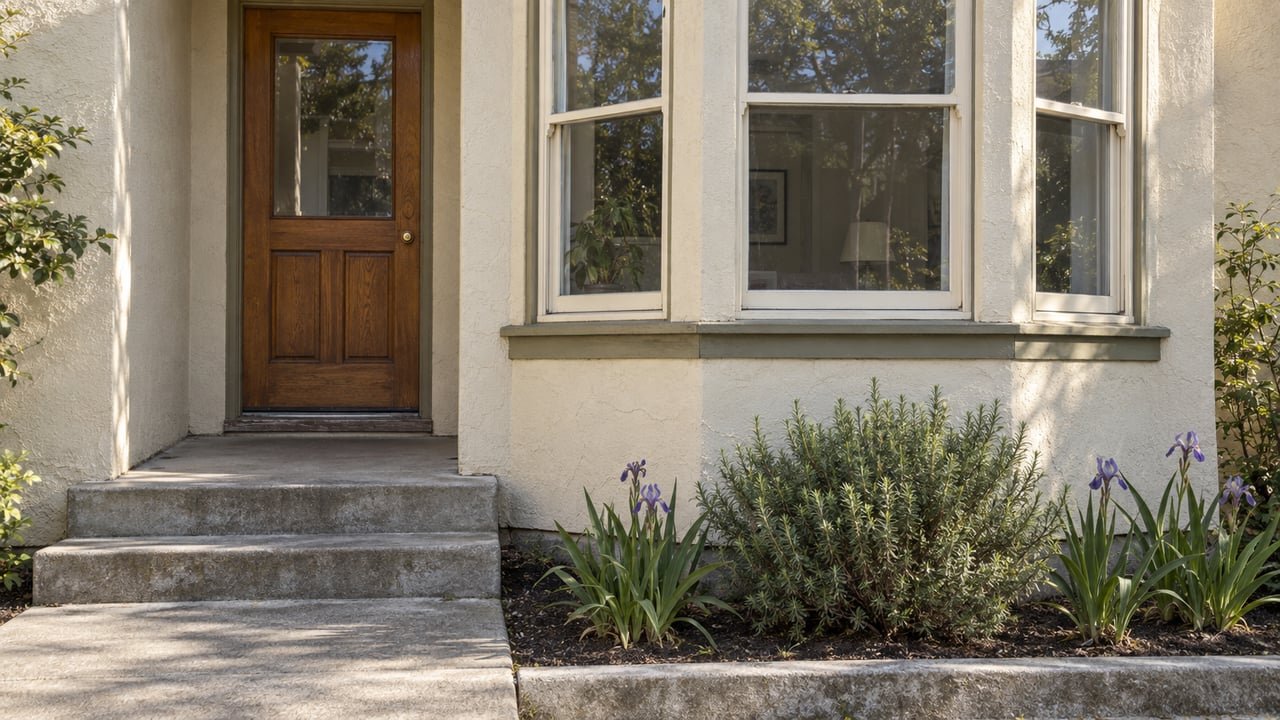
- Basic curb appeal improvements
- Correcting visible safety concerns
- Addressing outdated or defective electrical items
- Completing repairs that support required local compliance
For many Berkeley sellers, these steps create more value than an expensive kitchen or bath remodel that does not solve a real defect or buyer concern.
Tenant-occupied Berkeley properties
If your Berkeley property has tenants, sale prep gets more complex. The Berkeley Rent Board states that a sale is not a just-cause eviction, and existing tenancy terms usually transfer to the new owner.
That means your pre-sale planning should include a careful review of leases, rent records, and any open repair issues. The Rent Board also warns that new owners can inherit unpaid registration fees and penalties.
Tenant estoppels can be helpful before closing because they document rent levels, repair requests, and lease terms. If you are selling a tenant-occupied property, this paperwork is not an afterthought. It is part of reducing transaction risk.
A practical Berkeley seller timeline
If you are six to eighteen months out from selling, you have time to plan instead of scramble. A sensible order is to start with inspections and paperwork, confirm local compliance items, schedule repairs, and save final presentation work for closer to launch.
Here is a practical sequence:
- Review the property’s condition and known issues
- Gather permits, invoices, and repair records
- Check whether a valid sewer lateral certificate already exists
- Confirm whether BESO applies to your property
- Order the Home Energy Score early if required
- Schedule any needed permitted repairs
- Review sidewalk conditions
- Prepare disclosures before going live
- Finish staging, cleaning, and curb appeal work near launch
This order helps you tackle the items most likely to affect timing first. It also gives you more flexibility in deciding whether to repair, disclose, or price around a problem.
Build a sale plan around facts, not guesswork
The biggest mistake many sellers make is treating pre-sale repairs as a cosmetic project instead of a transaction strategy. In Berkeley, the best prep work usually starts with compliance, documentation, and the defects most likely to stall escrow or spark renegotiation.
When you understand what your home is likely to show a buyer, you can make calmer, smarter choices. You can decide where repairs make sense, where a credit may be better, and how to bring the property to market with fewer surprises.
If you are thinking about selling in Berkeley, working with a team that understands local disclosures, East Bay housing stock, and renovation realities can make the process much more manageable. The data matters, the timing matters, and the repair strategy matters too. When you are ready to map out a practical plan, connect with The BloomHomes Team.
FAQs
What pre-sale inspections should Berkeley home sellers schedule first?
- Berkeley sellers usually benefit from starting with a general property review, sewer lateral status check, permit and repair record review, and BESO confirmation for single-family homes or duplexes.
What is Berkeley’s sewer lateral requirement for home sellers?
- For most Berkeley sales, a Sewer Lateral Certificate is required by close of escrow unless an extension is granted, and owners may need testing, repair, or replacement depending on the line’s status and age.
What is the Berkeley BESO rule for sellers?
- Berkeley requires sellers of single-family homes and duplexes to obtain a Home Energy Score before listing, include it in listing and transfer documents, and then complete upgrades, qualify for an exemption, or defer compliance to the buyer.
Do Berkeley sellers need to repair sidewalks before listing?
- Berkeley property owners are responsible for keeping adjacent sidewalks safe, so visible sidewalk defects are often worth addressing before listing even though the city does not frame sidewalk repair as a separate sale certificate.
How do California disclosure rules affect Berkeley sellers?
- California sellers of most 1-to-4 unit homes must provide a Transfer Disclosure Statement, and early inspections can help you identify defects, prepare disclosures, and reduce the chance of late-stage buyer objections.
What should sellers disclose about recent repairs in California?
- Some California sellers who have owned a property for less than 18 months must disclose certain contractor-performed additions, alterations, structural modifications, or repairs over $500, so it is important to keep records organized.
What should Berkeley sellers fix before putting a home on the market?
- The highest-priority pre-sale work is usually required compliance items, safety or habitability concerns, obvious visible defects, and lower-cost cleaning, decluttering, and curb appeal improvements.
What should Berkeley sellers know about selling a tenant-occupied property?
- In Berkeley, a sale is not a just-cause eviction, tenancy terms usually transfer to the new owner, and sellers should organize leases, rent records, repair history, and tenant estoppels before closing.