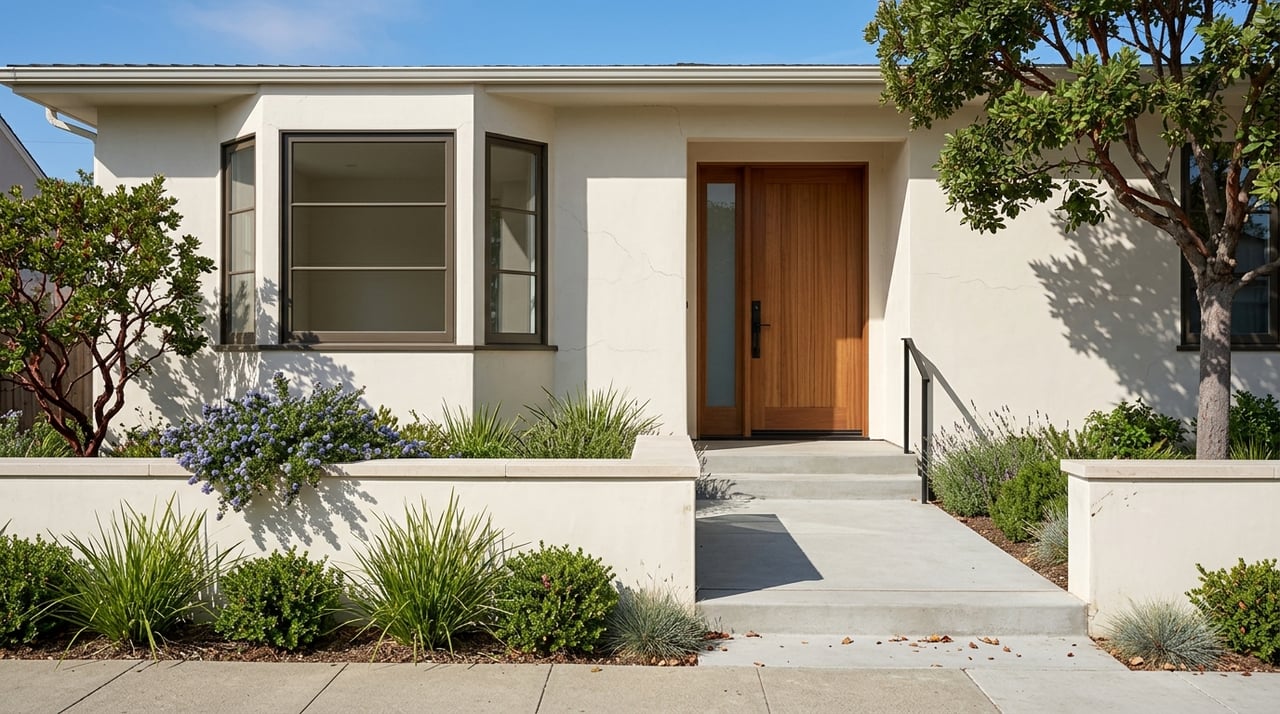
If you want to sell your Oakland home for more, hoping for a great offer is not a strategy. In a market where homes still move quickly but buyers are paying close attention to price, condition, and disclosures, the right plan can make a real difference. The good news is that you do not need to do everything. You need to do the right things in the right order. Let’s dive in.
Start With Oakland Reality
Oakland is still competitive, but it is not one single market. According to Redfin’s Oakland housing market data, homes receive about three offers on average, sell in roughly 19 days, and had a median sale price of $735,000 in February 2026. At the same time, Realtor.com’s Oakland market overview shows about 1,042 homes for sale, around 31 days on market, and sale prices near 103% of list price.
Those numbers point in the same direction even if they are not identical. Buyers are active, but they are more selective than they were during the peak bidding-war years. That means your sale price depends less on market momentum alone and more on how well your home is prepared, priced, and launched.
Know Your Oakland Submarket
Citywide averages only tell part of the story. Realtor.com neighborhood data shows wide variation across Oakland, with North Hills around $1.149 million and about 23 days on market, while San Antonio is closer to $612,450 and about 38 days on market.
That matters because your pricing strategy should reflect your specific neighborhood, property type, and condition. A condo, bungalow, hillside home, or fixer will not follow the exact same pattern, even inside the same ZIP code. If you want to sell for more, broad averages are not enough.
Fix Risks Before Buyers Find Them
One of the smartest ways to protect your bottom line is to uncover issues before your home goes live. Oakland has an older housing stock, and the city’s anti-displacement plan says more than one-third of homes were built before 1940 and more than half before 1960. Older homes can have deferred maintenance, aging systems, and permit-history questions that show up fast during escrow.
The City of Oakland offers a Residential Building Record and permit research tools, and its Online Permit Center can help confirm permit history. If a buyer discovers an unpermitted addition, a roof issue, or another material concern late in the process, that often leads to credits, repairs, or a lower final price.
Why Pre-List Inspections Matter
Pre-list inspections are not just about making repairs. They are about reducing surprises that can weaken your negotiating position.
When you identify issues early, you can decide whether to:
- repair the problem before listing
- price with the issue in mind
- disclose it clearly and prepare for buyer questions
- gather records that support the home’s value and condition
That kind of preparation can help you avoid last-minute renegotiation when you are already under contract.
Get Disclosures Ready Early
In California, disclosure timing matters. California Civil Code section 1102 covers most single-family residential transfers, and sellers may also need to address natural hazard disclosures and lead-based paint rules for homes built before 1978.
For Oakland sellers, this is especially important because older homes often come with a longer paper trail. Clean, organized disclosures can build buyer confidence, reduce uncertainty, and help support stronger offers. They also give buyers fewer reasons to pause once they are emotionally invested in your home.
Choose Updates With Real Payoff
If your goal is to sell for more, not every upgrade deserves your money. Big remodels can be expensive, time-consuming, and hard to recoup. In many cases, visible, practical improvements offer better returns than major overhauls.
According to the NAR 2025 Remodeling Impact Report, some of the strongest cost recovery numbers came from a new steel front door at 100%, fiberglass front door at 80%, vinyl windows at 74%, wood windows at 71%, and kitchen renovations or minor kitchen upgrades at 60%.
Upgrades Worth Considering
Focus first on updates that improve first impressions and show care:
- fresh interior paint
- targeted exterior touch-ups
- entry door replacement if needed
- window improvements where condition affects presentation
- roof replacement if the roof is visibly near the end of its life
- minor kitchen improvements instead of a full luxury remodel
NAR also found that REALTORS® most often recommended painting the entire home, painting one room, and replacing the roof before selling. In other words, buyers notice condition, and they respond to homes that feel maintained.
Stage for How Buyers Shop
Staging is not about making your home look fancy. It is about helping buyers understand the space quickly, both online and in person. That matters because many buyers decide whether a home feels right within moments of seeing the photos.
The 2025 NAR staging profile found that 83% of buyers’ agents said staging made it easier for buyers to visualize a property as a future home. The most commonly staged rooms were the living room, primary bedroom, and dining room.
Where Staging Has the Most Impact
If you are not staging every room, start with the spaces buyers care about most:
- living room
- primary bedroom
- dining area
- entry
- kitchen, if it needs help with flow or scale
This matters even more today because NAR’s remodeling report found that 46% of buyers are less willing to compromise on condition than they were two years earlier. A move-in-ready presentation can strengthen early interest and support better offers.
Make Day One Count
Your first weekend on the market carries more weight than many sellers realize. Redfin’s selling guide says homes get five times more online views on the day they hit the market than they do a week later. That means you do not want to list first and finish preparation later.
Before you go live, your home should already be:
- cleaned
- repaired
- staged or presentation-ready
- professionally photographed
- fully documented with key disclosures and records
A sharp launch helps you capture the biggest wave of attention while buyer interest is freshest.
Price to Create Competition
If you want to sell for more, overpricing is usually not the answer. Buyers in Oakland are still active, but they are comparing options carefully. A home that feels overpriced can lose momentum, sit longer, and invite lower offers later.
Redfin’s pricing guidance supports pricing at market value or slightly below to drive early attention. In a market where homes still receive multiple offers on average, the best result often comes from a realistic list price that attracts strong traffic right away.
Pricing Should Be Based on Comps
Your asking price should reflect:
- recent comparable sales
- current competition in your neighborhood
- your home’s condition
- property type and layout
- buyer demand at that price point
Pricing based on your target net proceeds can create problems if the market does not support the number. Your net matters, of course, but pricing should start with what buyers are likely to pay today.
Time Your Sale Carefully
Seasonality still plays a role in Oakland-area sales. Realtor.com’s 2025 timing report found that spring is the high season for sellers and that listing earlier in spring can improve your odds of a successful sale. It also identified the best week in the San Francisco-Oakland-Fremont metro as beginning March 23, 2025.
That does not mean every seller should wait for spring. It does mean timing should be strategic. If you are choosing between launching now with weak preparation or waiting a few weeks to improve pricing, presentation, and timing, the stronger launch often wins.
Budget for Oakland Closing Costs
Selling for more is only part of the equation. You also want to protect your net proceeds. In Oakland, transfer taxes can have a meaningful impact on your numbers.
According to the City of Oakland’s real estate transfer tax guide, the city charges a tiered real property transfer tax, including 1.5% on transfers from $300,001 to $2,000,000. Alameda County also imposes a documentary transfer tax of $0.55 per $500 of consideration.
Costs To Factor Into Your Net
Before setting your asking price, account for:
- Oakland transfer tax
- Alameda County documentary transfer tax
- likely preparation costs
- staging and photography expenses
- any agreed buyer credits or repairs
A higher sale price does not always mean a better outcome if your prep spending or concessions are not managed carefully.
Negotiate Beyond the Price
The highest offer is not always the strongest offer. Terms matter, especially when buyers are agent-represented and financially prepared. NAR reports that 88% of buyers purchased through an agent or broker, and buyers often rely on agents to negotiate terms and navigate paperwork.
That is why your negotiation strategy should cover more than just the headline number. You should review:
- contingency timelines
- repair requests
- credit expectations
- financing strength
- closing flexibility
- overall likelihood of reaching the finish line
In Oakland, a polished launch paired with clean disclosures and a clear response plan can put you in a stronger position when offers arrive.
Build a Smart Sale Plan
Selling your Oakland home for more usually comes down to a simple formula: prepare well, price accurately, launch cleanly, and negotiate with discipline. In a city with varied submarkets, older housing stock, and buyers who are paying close attention, strategy matters.
That is where local experience can make a difference. The right guidance helps you decide which repairs are worth it, how to position your home in its exact submarket, and how to protect your net from list date to closing. If you are thinking about selling in Oakland, connect with The BloomHomes Team for practical advice, strong marketing, and a hands-on plan built around your home and your goals.
FAQs
How can you sell your Oakland home for more in today’s market?
- Focus on the basics that drive buyer response: accurate pricing, pre-list preparation, clean disclosures, strong photography, and a polished launch from day one.
What repairs matter most before selling a home in Oakland?
- High-visibility issues usually matter most, such as paint, roof concerns, entry appeal, window condition, and deferred maintenance that could trigger renegotiation during escrow.
Why do permit records matter when selling an older Oakland home?
- Oakland has many older homes, and permit history can affect buyer confidence, disclosures, and negotiations if questions come up about additions, alterations, or past work.
When is the best time to list a home in Oakland?
- Spring is generally the strongest season, and listing earlier in spring can improve your odds, but the best timing also depends on your home’s readiness and local competition.
How should you price an Oakland home to attract strong offers?
- Price should be based on recent comparable sales, current neighborhood competition, and your home’s condition rather than the amount you hope to net.
What closing costs should sellers expect in Oakland?
- Sellers should plan for city transfer tax, Alameda County documentary transfer tax, and any preparation, staging, photography, repair, or buyer-credit costs that affect net proceeds.