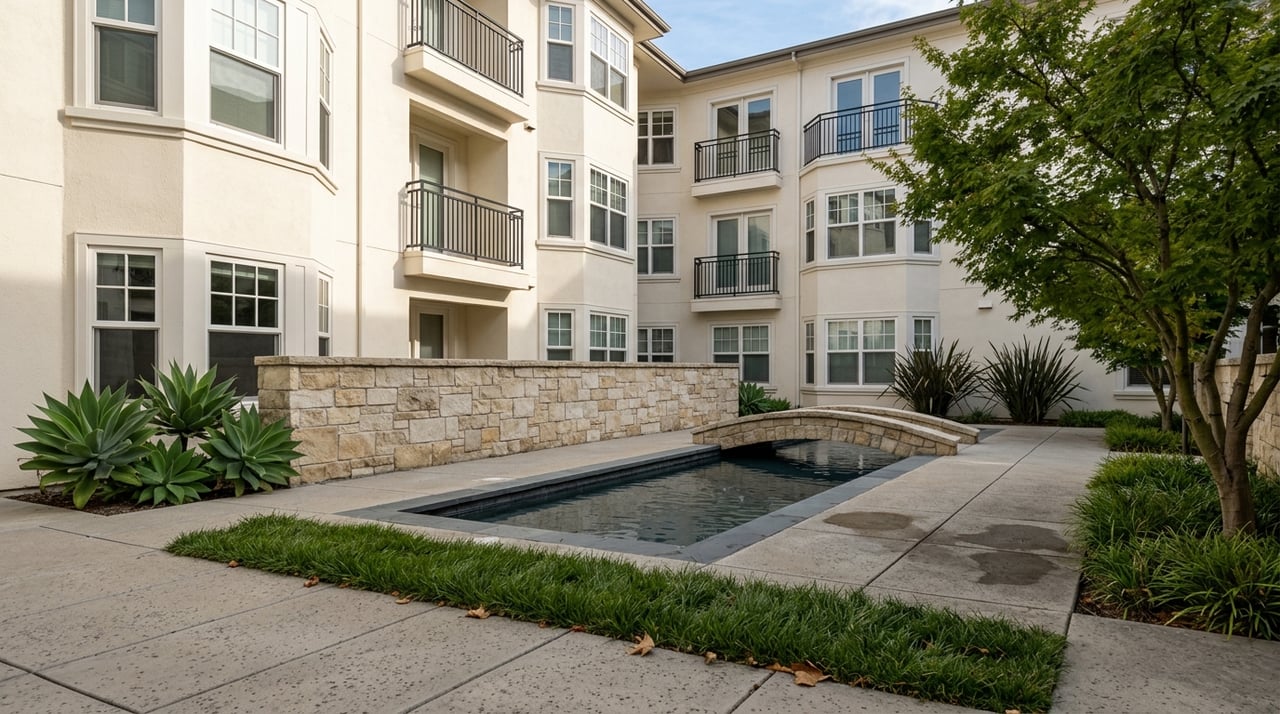
Buying a San Francisco condo means you are evaluating more than the unit itself. You are also buying into a homeowners association, its finances, its rules, and its approach to maintenance. If that sounds like a lot, it is, but a clear review process can help you avoid surprises and feel more confident before closing. Let’s dive in.
Why HOAs Matter in San Francisco Condos
In California, a condominium is a form of ownership, not just a building style. You own your individual unit plus an undivided interest in the common areas, and the HOA manages those shared areas, collects assessments, and enforces the governing documents.
That matters because the HOA’s condition affects your day-to-day ownership experience and your long-term costs. When you buy a condo, you are not just choosing a floor plan or location. You are also stepping into an existing shared financial and legal structure.
For many buyers, the monthly HOA dues become a major part of affordability. Nationally, millions of households pay condo or HOA fees, and a significant share pay more than $500 per month. In other words, the HOA payment is not a side note. It is part of the real cost of owning a San Francisco condo.
What a California Condo HOA Does
A condo HOA handles the shared parts of the property and the rules that guide how the community operates. That often includes maintenance decisions, budgeting, reserve planning, insurance for common areas, and rule enforcement.
The HOA is governed by several core documents. These usually include the CC&Rs, bylaws, and operating rules. The CC&Rs run with the land, which means you are agreeing to those terms when you buy the unit.
The board may hire a management company to handle day-to-day operations. Even so, the board remains responsible for the association’s finances, maintenance decisions, and enforcement of the rules.
What Your Monthly HOA Dues May Cover
One of the first questions buyers ask is simple: what does the fee actually pay for? The answer varies by building, which is why the dollar amount alone does not tell you enough.
Depending on the property, HOA dues may cover:
- Exterior maintenance
- Common-area repairs
- Water
- Sewer
- Trash
- Recreational amenities
- Insurance
- Reserve contributions
A higher monthly fee is not automatically bad, and a lower fee is not automatically better. A building with stronger reserve funding, broader insurance coverage, or more inclusive utilities may have higher dues for good reason.
HOA Documents to Review Before Closing
California law requires the seller to provide key HOA documents to a buyer. These disclosures are one of your best tools for understanding what you are really buying.
Before closing, you should expect to review documents such as:
- Governing documents, including CC&Rs, bylaws, and rules
- The most recent annual budget report
- A written statement of current assessments and any unpaid amounts
- Unresolved violation notices
- Any rental prohibition
- Board minutes from the prior 12 months, if requested
- The most recent exterior elevated elements inspection report
- Any disclosed age-based occupancy restrictions, if applicable
These documents can tell you far more than a listing description ever will. They can reveal whether the building has strict use rules, upcoming repair issues, or financial stress that could affect your ownership costs.
What to Look for in the HOA Packet
The HOA packet can be dense, but you do not need to read it like a lawyer to spot important issues. Start with the items that most directly affect your budget, your use of the unit, and your future resale options.
Focus on these questions as you review:
- Are there unit-use restrictions?
- Do renovations require prior approval?
- Are parking or storage spaces clearly assigned?
- Are there rental limits or prohibitions?
- Can the board change rules or levy additional assessments?
In San Francisco, those details matter because buyers often value flexibility. If you may want to rent the unit later, remodel the kitchen, or rely on a specific parking arrangement, the governing documents should be checked early.
Reserves and Building Financial Health
If you remember one part of the HOA review, make it this one: look closely at reserves. Reserve funds are money set aside for major future repairs and replacements, and they can be a strong signal of how prepared a building is for larger expenses.
California requires HOAs to complete a reserve study at least once every three years, with annual board review. The study must identify major components with less than 30 years of remaining useful life, estimate repair or replacement costs, and explain how the association plans to fund them.
The reserve funding disclosure summary should show the current reserve balance, projected balances over the next five years, and the percent funded. For buyers, that helps answer a practical question: is the building building a cushion, or are future owners likely to face surprise costs?
Special Assessments and Deferred Repairs
Regular dues cover routine operations and reserve contributions. Special assessments are different. They are typically used for extraordinary costs, such as major repairs, replacements, new common-area construction, or other unplanned expenses.
The annual budget report must disclose whether the board has deferred major repairs or expects special assessments. If so, it should include the amount, start date, and duration.
This is especially important in older San Francisco buildings or properties with visible maintenance issues. A building that has postponed major work may look affordable at first glance, but the real cost can show up later through special assessments.
Insurance Questions Condo Buyers Should Ask
Insurance is another area where buyers should slow down and read carefully. The HOA’s master policy may cover important parts of the property, but it may not cover everything inside your unit.
The annual budget report must include a summary of the association’s insurance policies. That summary should address property, general liability, earthquake, flood, and fidelity insurance, along with policy limits and deductibles.
Just as important, California disclosure rules warn that the HOA policy may not cover the interior of the unit or all deductible exposure. That means you should not assume the master policy replaces your own insurance planning.
Lender Review and Condo Eligibility
Even if you love the unit, your lender still has to like the project. Lenders review condo projects for issues tied to physical condition, financial stability, structural debts, safety concerns, evacuation orders, and pending major lawsuits.
Projects with critical repairs, inadequate insurance, significant litigation, or hotel or short-term rental operations can run into eligibility problems. That can affect not only your financing today, but also resale liquidity down the road.
As part of your condo review, ask whether the project is warrantable and whether there are known lender-eligibility issues. This is one reason it helps to involve your agent and lender early, rather than waiting until the end of the contingency period.
A San Francisco Red Flag to Watch
For many San Francisco condo buyers, one overlooked issue is exterior elevated elements. In California, condo associations must inspect balconies, decks, and similar elevated elements at least every nine years using a licensed structural or civil engineer or architect.
The first inspection was due by January 1, 2025, and the most recent report must be part of the seller’s disclosure package. If the report identifies an immediate threat, access must be restricted until repairs are approved and reported to code enforcement.
This does not mean every balcony report is a problem. It does mean you should confirm the inspection has been completed and review the findings, especially in buildings with older exterior elements.
How to Review an HOA Packet Efficiently
Most buyers have a limited window to review condo documents after an offer is accepted. In a fast-moving market, that can feel overwhelming, so it helps to review the packet in a practical order.
A simple approach is to:
- Confirm the monthly dues and what they cover.
- Review the annual budget report for reserves, deferred repairs, loans, and expected special assessments.
- Scan the governing documents for rental rules, renovation limits, parking, storage, and rule-change authority.
- Check insurance summaries for coverage limits and deductibles.
- Review recent board minutes, if available, for recurring maintenance or dispute issues.
- Confirm whether the project has any lender-eligibility concerns.
- Read the most recent exterior elevated elements report.
If something looks unclear, bring in the right people quickly. Your real estate agent, lender, and, when needed, a real estate attorney can help you sort out whether an issue is routine, negotiable, or a reason to walk away.
The Big Takeaway for San Francisco Buyers
The biggest mistake condo buyers make is treating the HOA as background paperwork. In reality, the HOA is part of the asset you are buying.
A well-run association with clear rules, solid reserves, and realistic maintenance planning can support smoother ownership and stronger resale prospects. A weak HOA can create budget stress, financing headaches, and surprise repair costs.
That is why condo due diligence deserves real attention in San Francisco. If you review the HOA packet early and ask the right questions, you can make a much more informed decision about whether a condo is the right fit for you.
If you want a practical second set of eyes on a San Francisco condo opportunity, The BloomHomes Team can help you evaluate the unit, the HOA, and the numbers before you commit.
FAQs
What does an HOA do in a San Francisco condo building?
- A condo HOA manages shared property, collects assessments, enforces governing documents, and makes decisions about maintenance, reserves, and common-area operations.
What documents should a San Francisco condo buyer review from the HOA?
- You should review the governing documents, annual budget report, assessment statement, unresolved violation notices, any rental prohibition, requested board minutes from the prior 12 months, and the most recent exterior elevated elements inspection report.
What should a San Francisco condo buyer check about HOA reserves?
- You should check the current reserve balance, five-year projections, percent funded, and whether the association has identified deferred major repairs or future funding gaps.
Can a San Francisco condo HOA charge special assessments?
- Yes. California condo associations can use special assessments for extraordinary expenses such as major repairs, replacements, new common-area construction, or other unplanned costs.
Does the HOA master insurance policy cover everything in a San Francisco condo?
- No. The association’s policy may not cover the inside of your unit or all deductible exposure, so you should review the insurance summary carefully and not assume the HOA policy replaces your own coverage needs.
What does warrantable mean for a San Francisco condo project?
- It means the project meets lender standards for financing eligibility. Lenders may review physical condition, financial stability, insurance, litigation, safety issues, and other project-level risks.
Why should San Francisco condo buyers ask about balcony and deck inspections?
- California requires condo associations to inspect balconies, decks, and similar exterior elevated elements at least every nine years, and the most recent report can reveal repair needs or safety restrictions that affect ownership costs and use.