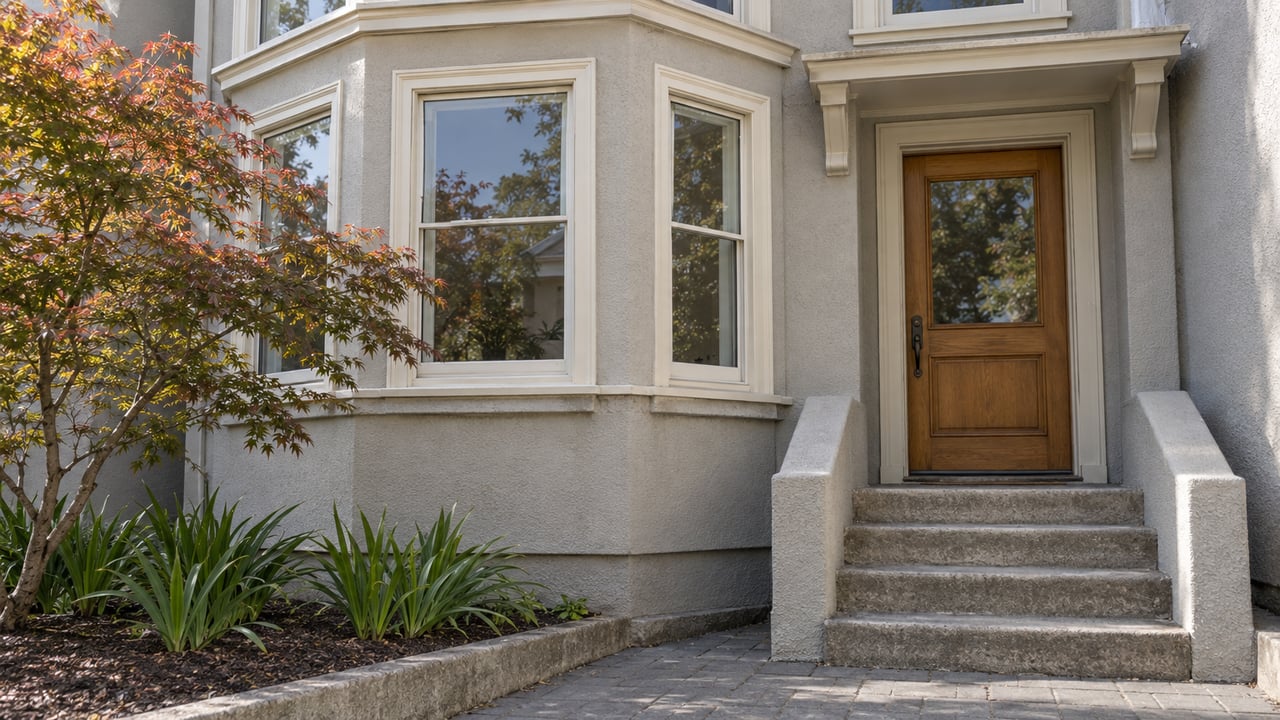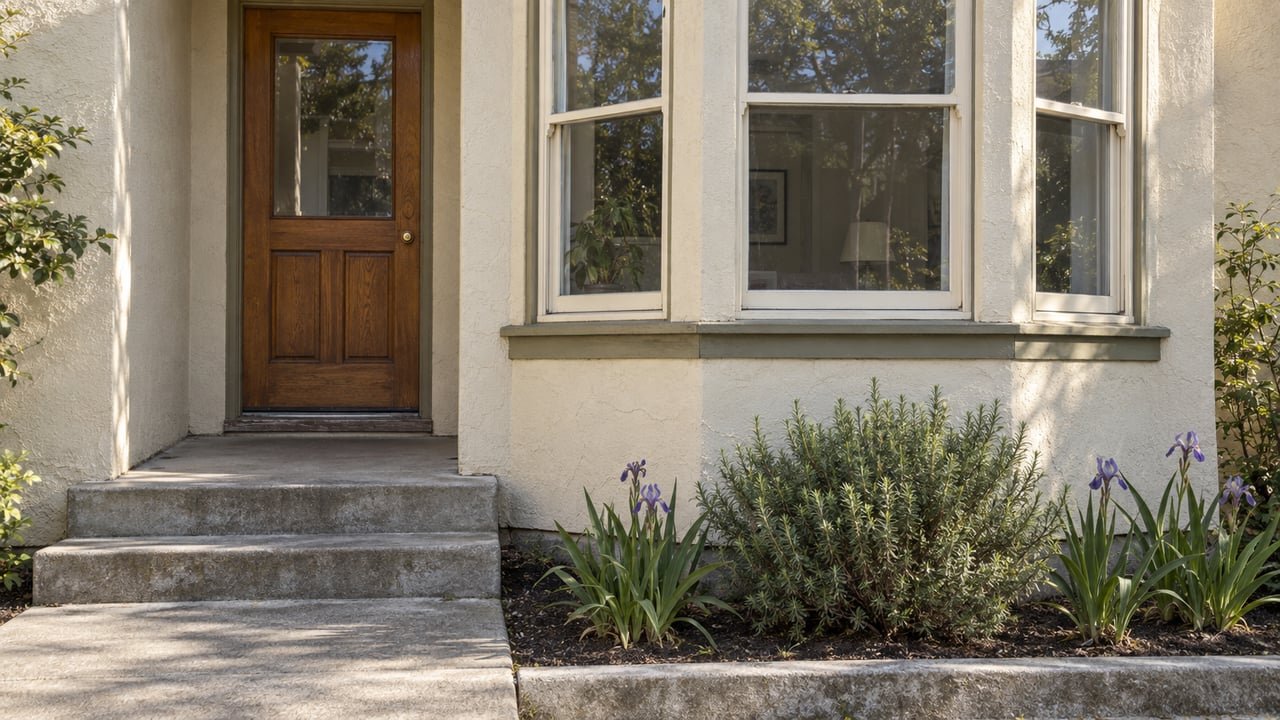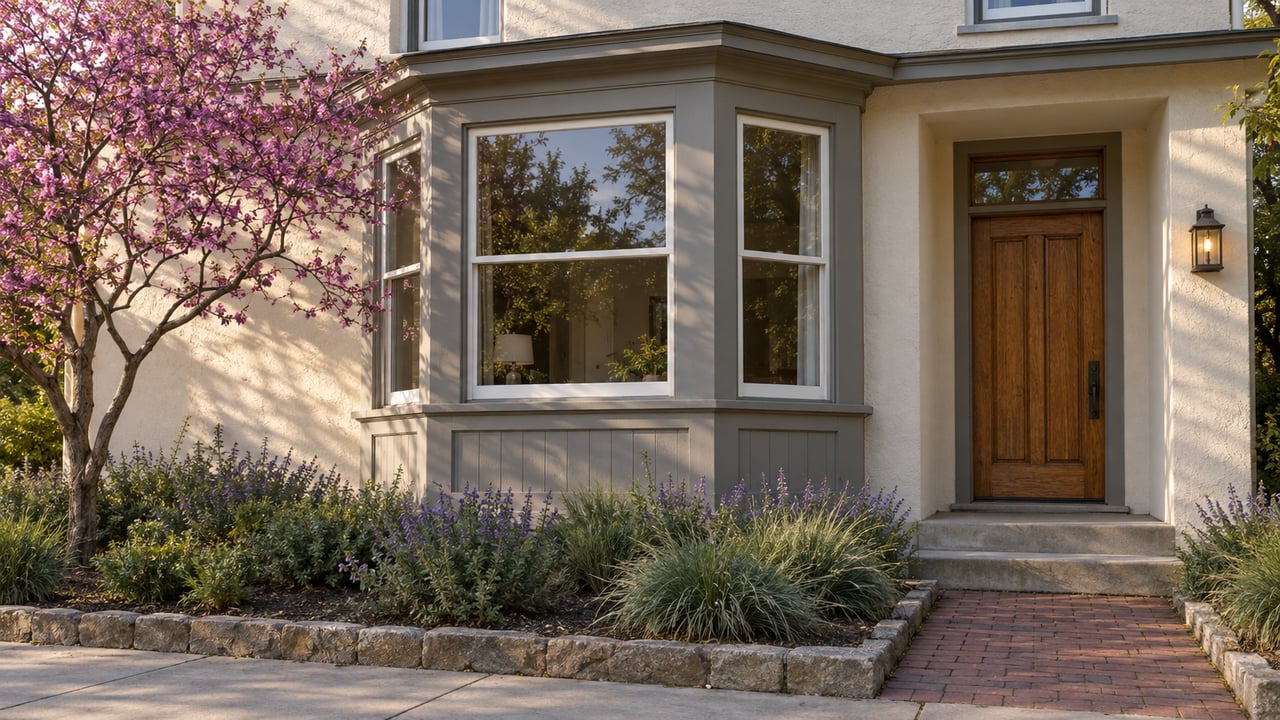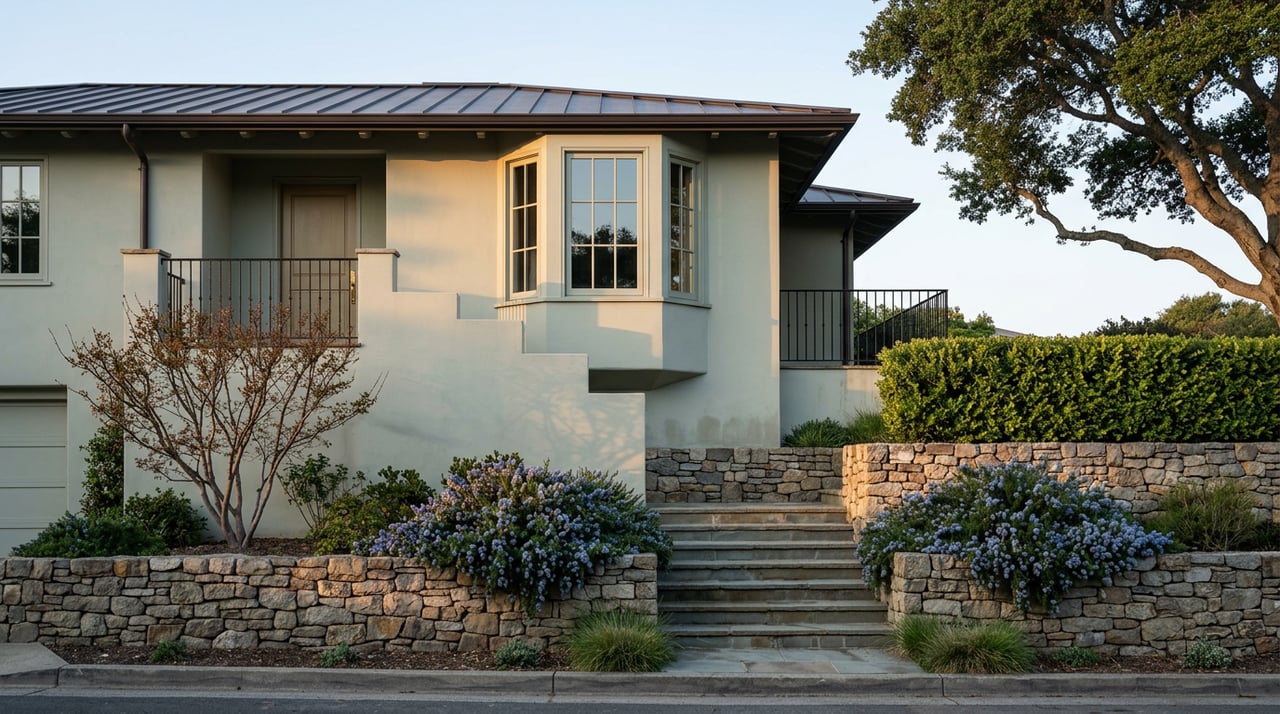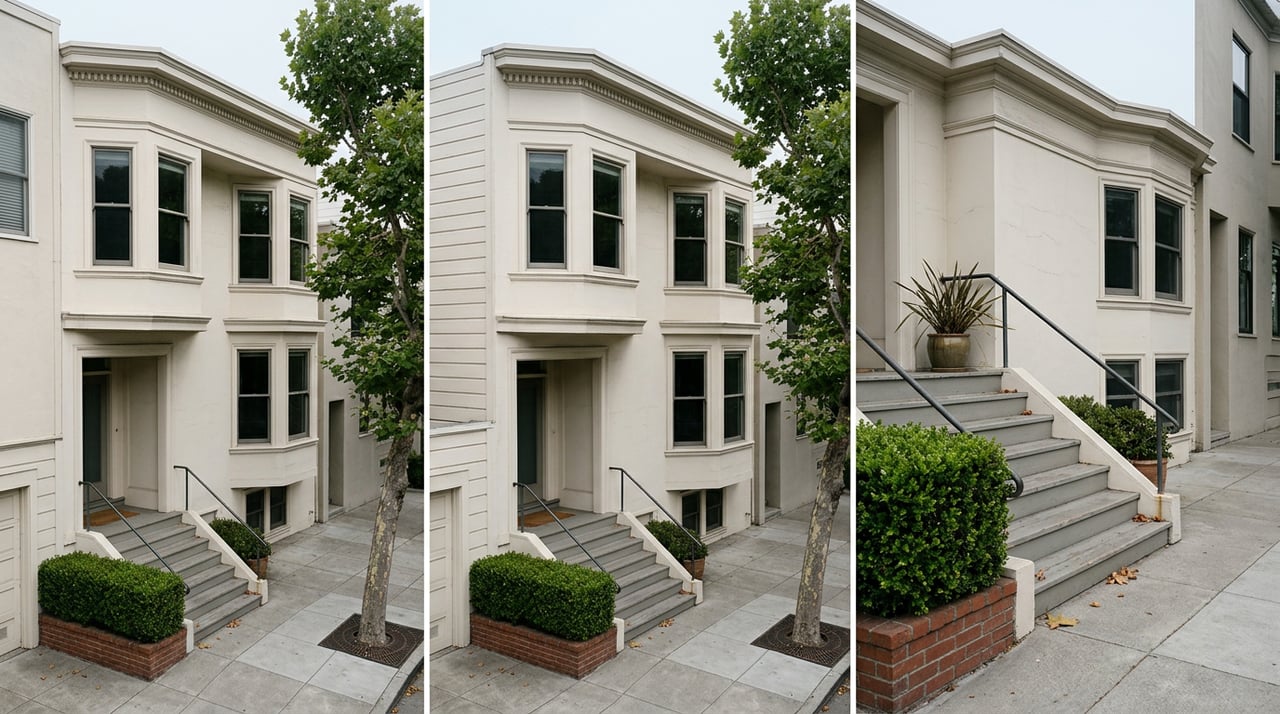
Picture a seller in a two-unit building near Cortland Avenue who treats the 3R report the way most people treat a background check: a formality, something to order and forget. The report comes back and one line reads "authorized occupancy: two-family dwelling." The seller has three working kitchens. The upstairs unit has been rented out since 2019. Nothing about that gap is automatically illegal, and nothing about it is settled either. The report didn't lie. It told the seller exactly what the city's records say, which is not the same thing as what's true on the ground.
That gap between authorized and actual is where most disclosure friction in San Francisco starts, and it's built into the report by design.
A Report That Only Repeats What the City Was Told
A 3R, short for Report of Residential Building Record, is compiled by the San Francisco Department of Building Inspection from its own files. Under the city's Housing Code, an owner or their authorized agent must obtain one before selling or exchanging any residential building and deliver it to the buyer before the sale closes. Licensed agents also have a standing duty to hand over a copy to any prospective buyer who asks, for any residential listing they represent. Nobody actually goes out and re-checks the building. The report is a mirror held up to a filing cabinet.
That's not a flaw. It's the whole point, and it's also the whole limitation.
What's Actually On the Page
A standard 3R pulls together a specific set of facts, each one qualified by the phrase "insofar as ascertainable from City records":
- Present authorized occupancy or use, and the zoning district
- The building's construction date and original occupancy
- Building permits issued for construction, conversion, or alteration
- The number of residential structures on the lot
- Soft-story seismic retrofit program status
- Whether the property sits inside the city's mapped 100-year storm flood risk area
- Any active code enforcement or abatement proceedings
What it doesn't cover matters just as much. The report contains building permits only. Plumbing and electrical work has its own separate records channel, so a buyer who wants to know whether a kitchen remodel or an electrical panel upgrade was ever signed off must make a separate request; the 3R won't answer that question.
The One Line That Carries All the Risk
Here's the detail most disclosure checklists skip: there is no discrete "number of legal units" field on a 3R. Unit count has to be read off the authorized occupancy line, which might say something as plain as "two-family dwelling" or as vague as "unknown." If the paper says two units and a buyer's agent counts three kitchens on the walkthrough, the report has done its job by exposing the mismatch. It hasn't resolved it. That's a separate conversation with the Planning Department, and in most cases, an attorney.
San Francisco's own planning code treats this exact gap seriously enough to build a disclosure requirement around it. Development applications must flag the presence of any unauthorized unit at a property, and if a project doesn't identify one, the owner has to sign a declaration under penalty of perjury that none exists. That's a second, independent tripwire built into a completely different part of the code, aimed at the same problem the 3R surfaces: paper and reality drifting apart.
The word sellers misuse most in this conversation is "grandfathered." Custom Home Design & Build explains that grandfathering protects a use that was legal when it was built and later became non-conforming under a zoning change. It does nothing for work that was never permitted in the first place. A converted garage or an added bathroom without a permit isn't grandfathered into anything. It's just unpermitted.
Two Different Base Fees for the Same Report
A comparison of DBI-linked pages within the same week in September 2026 shows different prices for the same report:
| Where you check | Base fee | With online card surcharge |
|---|---|---|
| sf.gov's current request page | $214.00 | $219.35 |
| DBI's separate records application portal | $286.00 | $293.15 |
The fee has climbed steadily for over three decades. It remained unchanged from 1992 until a comprehensive adjustment in 2008, then, after a documented increase, the online fee rose. Whichever number is currently accurate, the pattern is consistent: it only goes up, and the page you land on may not reflect the page DBI most recently updated. Confirm the fee directly with DBI's Records Management Division before you build it into a closing cost sheet. Several of the city's own web pages list different amounts for the fee.
The 3R Doesn't Replace the Rest of the Package
Treating the 3R as a complete disclosure solution is the second common mistake. California disclosure law has moved fast enough that a 3R alone won't cover a seller's obligations anymore. ROMO Law Group describes additional seller disclosures, including electrical-system notices, that produce documentation the 3R was never built to generate.
The soft-story line on the 3R is a good example of a checkbox that undersells its own stakes. San Francisco identified more than 5,000 buildings under its mandatory seismic retrofit program, representing roughly three-quarters of everything the city screened, and industry estimates commonly put retrofit costs somewhere around $104,000 for a 5-to-14 unit building and $158,500 for a larger one. A checked box telling you retrofit work hasn't started is accurate. It's also the tip of a budget conversation the report itself never has.
Order It the Day You Sign, Not the Week Before You List
DBI states it issues a 3R in seven to ten business days and caps requests at six per person or company per day. In practice, sellers who wait until they're fielding offers sometimes find that window stretching longer, especially during high-volume seasons. San Francisco's Housing Code makes a 3R report valid for one year from issuance, so a listing that sits longer than expected can force a reorder mid-transaction. The fix is simple: request the 3R the same day you sign your listing agreement, not the week you start scheduling showings.
Frequently Asked Questions
Is a 3R report legally required to sell a home in San Francisco? Yes. San Francisco's Housing Code requires the owner or their agent to obtain one before selling or exchanging a residential building and deliver it to the buyer before the sale closes.
Does the 3R tell me whether my in-law unit or garage conversion is legal? Not directly. The report shows what the city's permit and occupancy records say. If your physical unit count doesn't match the authorized occupancy line, that discrepancy is exactly what the report is designed to surface, but resolving it requires a separate conversation with Planning, DBI, or an attorney.
How long does a 3R stay valid once I get one? One year from the date it's issued, printed directly on the report alongside the issue date. If your home is still on the market past that window, you'll need a new one before closing.
If you're weighing whether to list a San Francisco property with a permit history that doesn't quite match what's on the ground, that's exactly the kind of conversation worth having early, not during escrow. The BloomHomes Team has spent years walking East Bay and San Francisco sellers through exactly this kind of paperwork, and pairs that hands-on read of a property's history with a straight read of what the market will actually pay for it. Start with a look at what your San Francisco home might be worth today, or browse how we help San Francisco sellers get ahead of the disclosure package before it becomes a delay.
This article is general information, not legal, tax or financial advice. Consult a qualified professional about your situation.