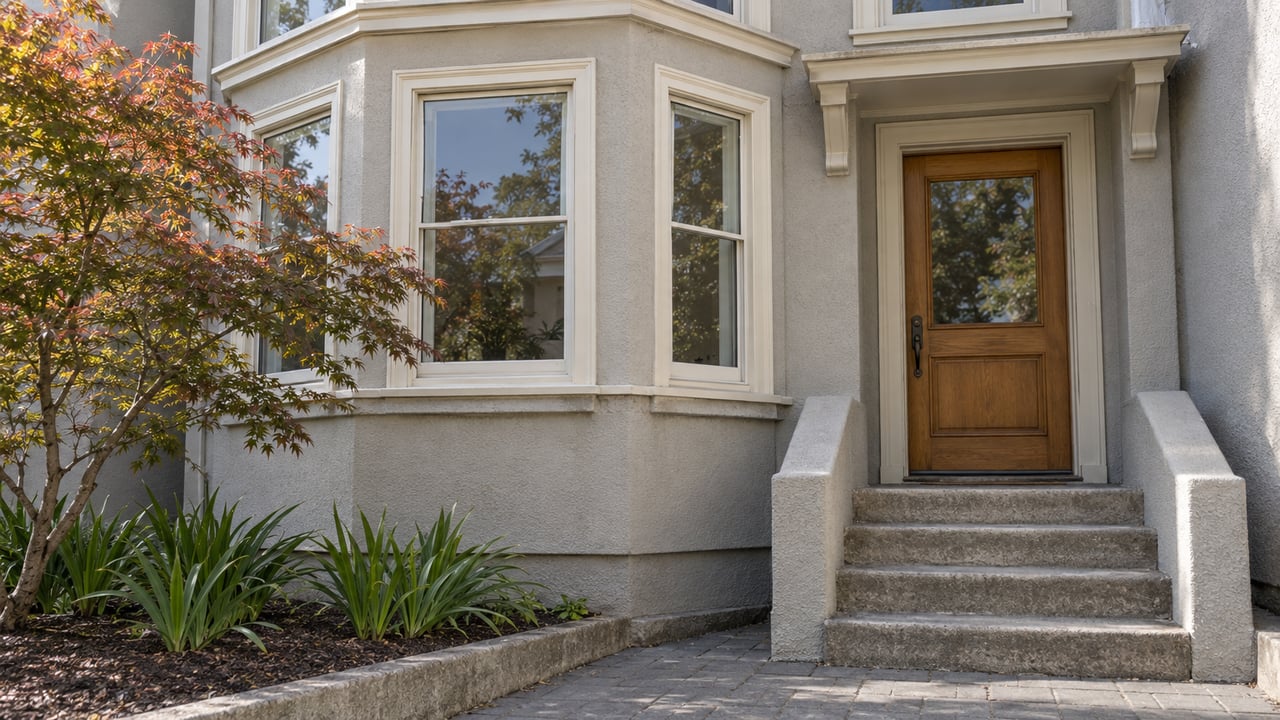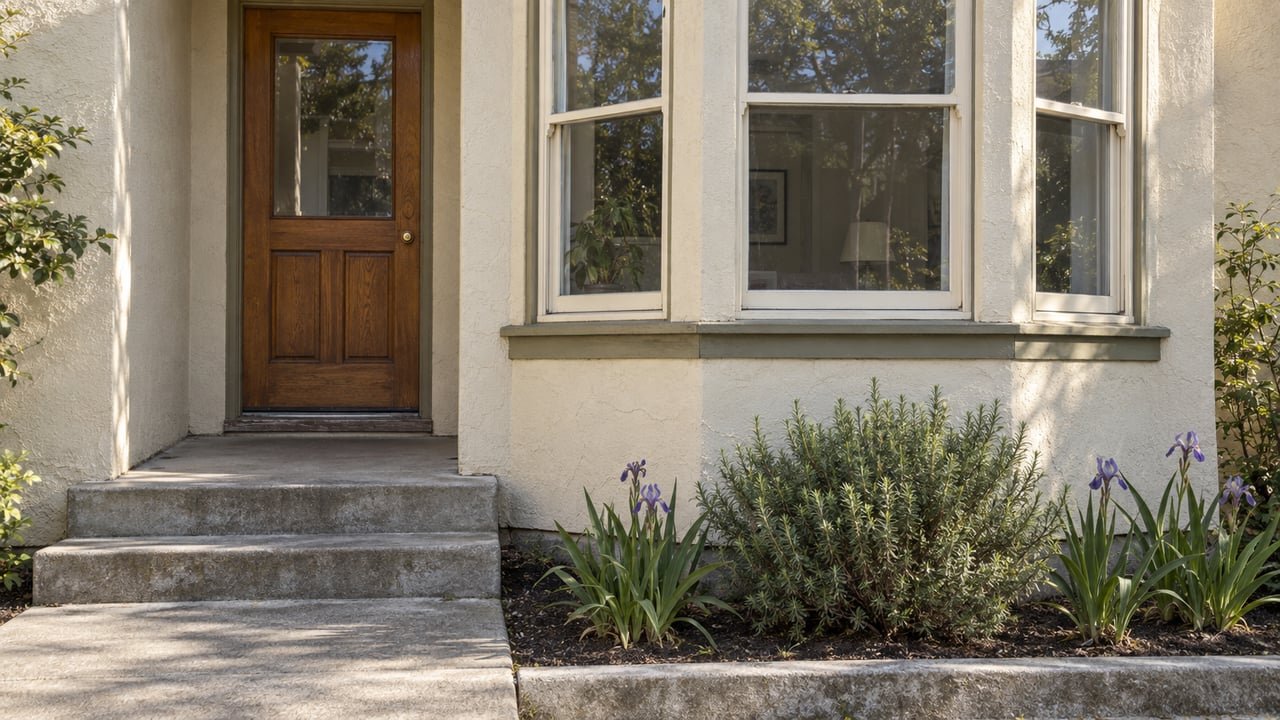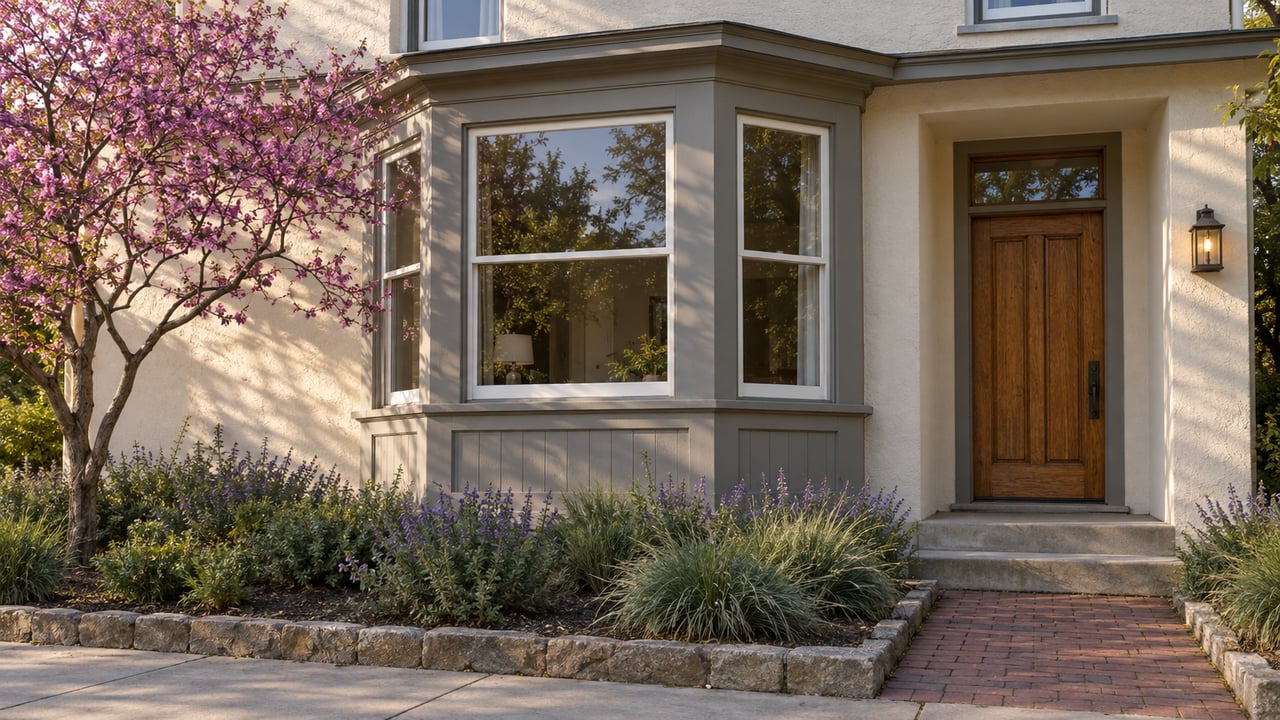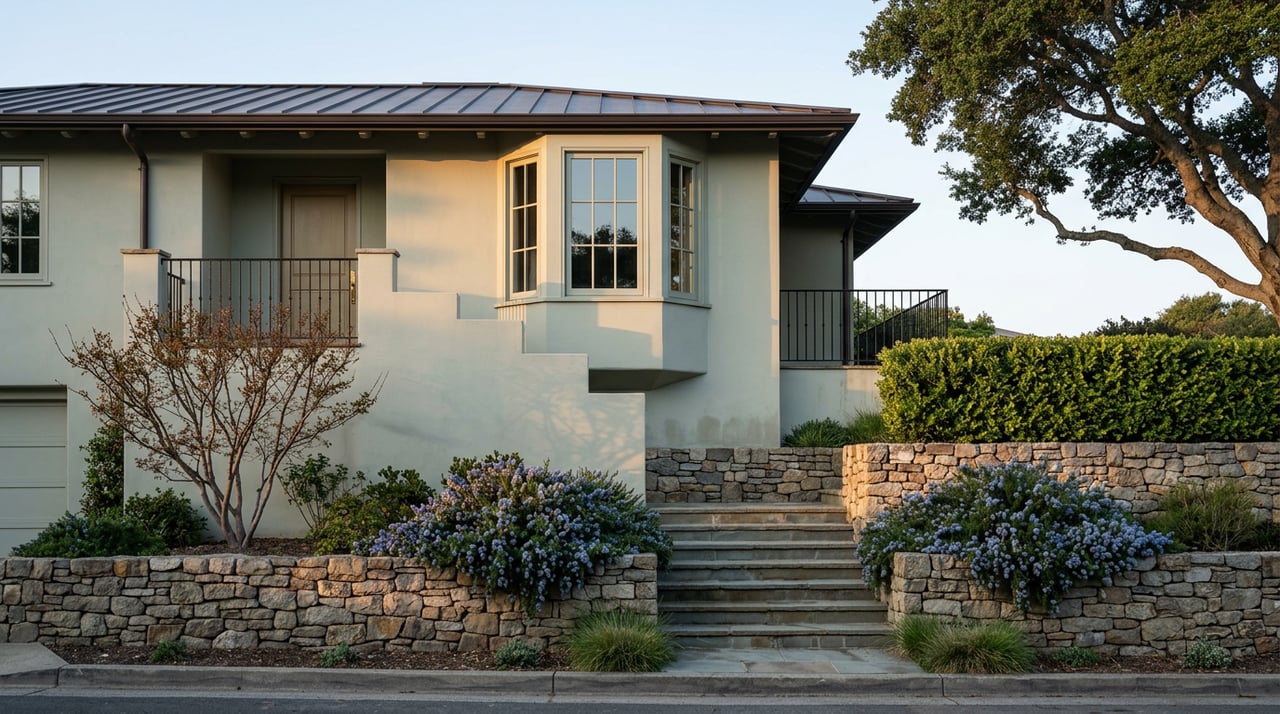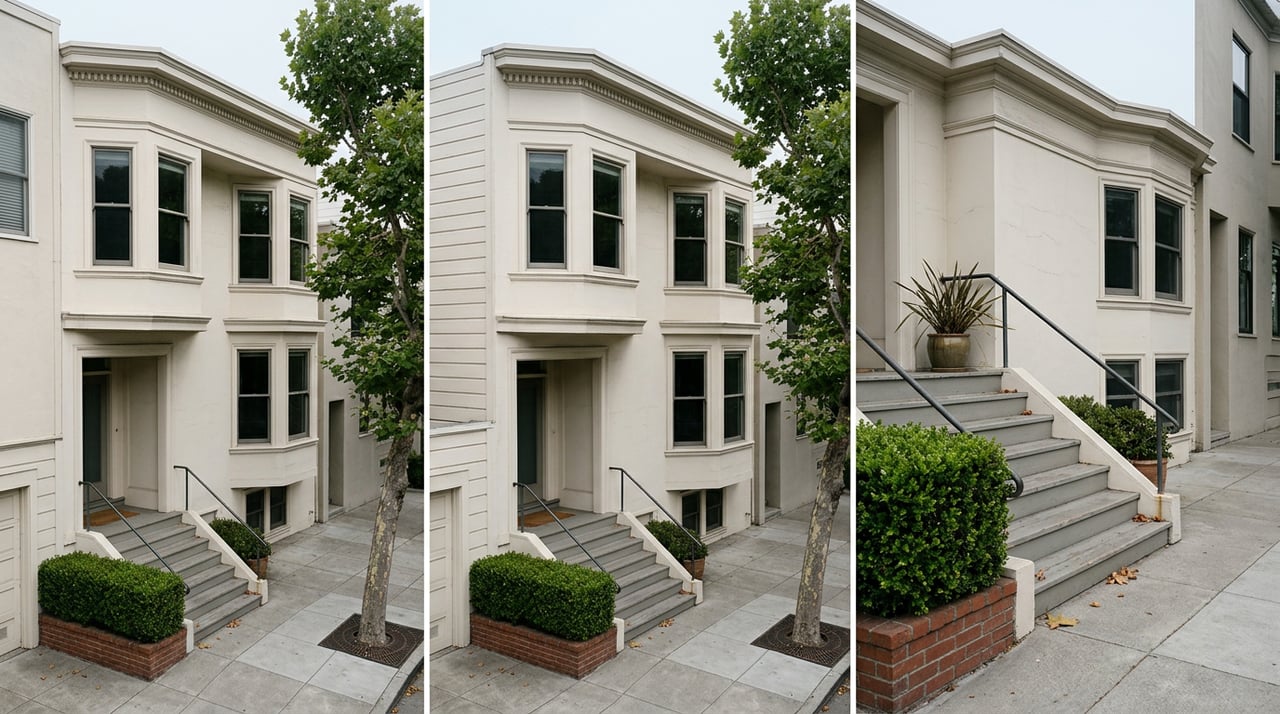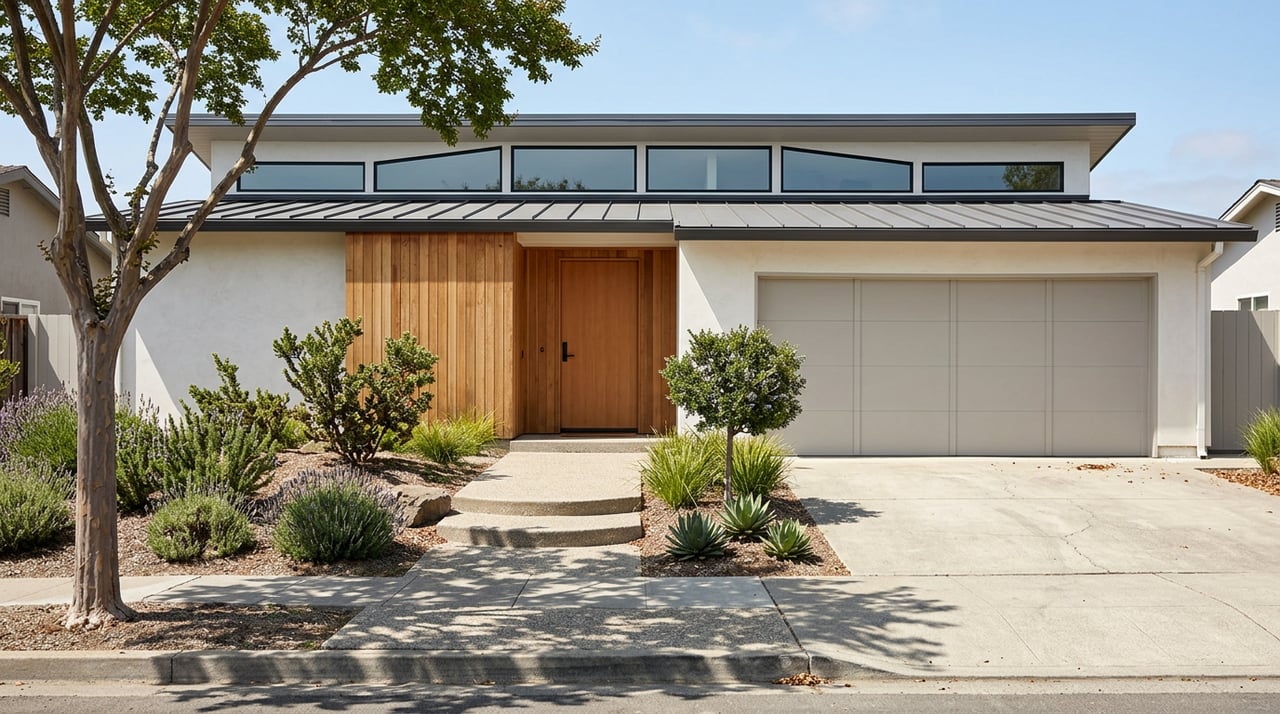
Choosing between San Leandro, Oakland, and Castro Valley can feel like picking three different versions of East Bay life. Maybe you want the best price, a fast BART ride, strong public school options, or a bigger yard. The right choice depends on your priorities and how you plan to live day to day. In this guide, you’ll see how these areas compare on price and pace, commute options, schools, home types, and who each spot tends to fit best. Let’s dive in.
Market snapshot: price and pace
If you are starting with budget, here is where prices and speed stand in early 2026. All medians below reflect provider snapshots and can vary by month and property type.
San Leandro: Redfin shows a Jan 2026 median sale price of about $827,500 and a faster market with a median of about 36 days on market. See the latest figures on the San Leandro housing market page. Zillow’s typical home value (ZHVI) for San Leandro was about $790,000 as of Jan 31, 2026, which reflects a different methodology. You can review that snapshot on Zillow’s San Leandro ZHVI page.
Oakland: Citywide medians run lower than the other two, with Redfin showing about $665,000 in Jan 2026. Keep in mind that Oakland’s neighborhoods vary a lot in price and housing type. You can view the citywide numbers on Redfin’s Oakland market page.
Castro Valley: Listing snapshots on Realtor.com report a higher for-sale median, near $998,500 recently. That tracks with a market that is mostly single-family homes on larger lots. Check the current snapshot on Realtor.com’s Castro Valley overview.
What this means for you:
- If you are targeting the lowest citywide median, Oakland often comes in first, with big price spreads by neighborhood.
- For a middle-ground price with good transit access, San Leandro is a strong candidate.
- If you want larger-lot single-family homes and highly rated district options, expect Castro Valley’s median to sit higher than the other two.
Citywide medians can hide big differences by neighborhood and property type. In Oakland, a condo near Jack London is very different from a Craftsman in Rockridge. In San Leandro, a mid-century ranch in Washington Manor will price differently than a waterfront townhome near the Marina. In Castro Valley, Greenridge often features mid-century moderns while El Portal Ridge skews to larger-lot ranches. Pull live neighborhood snapshots the week you shop so you see the true range.
Commute and transit
BART shapes commute choices across all three.
- San Leandro: You have two convenient stations, San Leandro and Bayfair. From San Leandro BART, riders typically see about 25 to 40 minutes to downtown San Francisco and about 10 to 20 minutes to downtown Oakland. Station details and line info are on the San Leandro BART page.
- Castro Valley: The Castro Valley station on the Dublin or Pleasanton line gives you a straightforward ride into Oakland and San Francisco. Expect roughly 30 to 40 minutes to the Embarcadero BART portion, plus time for first or last mile.
- Oakland: Multiple stations, including 12th St, 19th St, MacArthur, Lake Merritt, and Coliseum, give you frequent Transbay service and easy access across the city.
Driving routes differ by corridor:
- San Leandro and much of Oakland sit along I‑880, which handles north or south East Bay trips.
- Castro Valley centers on I‑580 and CA‑238, which connect to I‑680 and the Tri‑Valley. Peak traffic can swing a commute by a lot. If driving is key for you, test your exact route during your target hours.
Airport and ferry access:
- For air travel, Oakland International Airport is close for San Leandro and many Oakland neighborhoods. Coliseum BART connects to OAK via the automated airport link.
- If you prefer not to drive into San Francisco, the Jack London Square and Alameda ferry options add a pleasant commute alternative. See the city’s overview of the Oakland and Alameda water shuttle connection.
Local connections and last mile:
- San Leandro’s free LINKS shuttle helps cover first or last mile connections around BART and business districts. Details are on the San Leandro LINKS site.
- AC Transit covers bus routes across all three areas. Walkability and bikeability vary by neighborhood, especially in Oakland’s denser cores.
Schools and enrollment basics
School priorities can be a deciding factor. Always evaluate specific campuses and confirm current attendance zones and enrollment rules.
- Castro Valley Unified School District (CVUSD): District-level ratings are consistently strong on parent-facing sites and are a top reason families choose Castro Valley. You can review district snapshots on Niche’s CVUSD page. For enrollment or deadlines, confirm with the district directly.
- San Leandro Unified: San Leandro High receives solid marks in several summaries, and the district shows improving indicators. Parents typically compare elementary and middle options closely by address.
- Oakland Unified: Outcomes vary widely across the city. Oakland Technical High School is one example often highlighted in rankings. You can see a campus snapshot on GreatSchools’ Oakland Tech page. OUSD also has charter and magnet options, so the process can be more complex.
How to research quickly:
- Map your target address to the applicable district attendance or boundary map.
- Check one third-party rating source for a quick pulse, then dig deeper on state test, program offerings, and graduation metrics.
- Confirm enrollment windows and assignment rules with the district before you make an offer.
Home types and neighborhood feel
Each place offers a distinct mix of homes and streetscapes.
San Leandro: Expect mid-century single-family homes and bungalows, plus townhomes and condos near the Marina and Heron Bay. Downtown and BART-adjacent areas add newer infill townhomes and condos. Neighborhoods like Washington Manor often draw buyers who want a suburban feel with quick access to BART.
Oakland: Inventory is highly diverse. In Rockridge, Montclair, Lake Merritt, and parts of North Oakland, you will find Craftsman, Victorian, and Edwardian single-family homes, often at higher prices. In Downtown, Jack London, and West Oakland, lofts and newer condos are common. East and Southeast Oakland can offer more affordable single-family options. Expect block-by-block variation and confirm condition, parking, and renovation scope during tours.
Castro Valley: You will see mostly single-family homes, often on larger lots. Mid-century ranches are common, and Greenridge includes mid-century modern designs. Fewer condos and multifamily options keep the median higher than San Leandro and many parts of Oakland.
Renovation and ADU potential:
- San Leandro regularly offers move-in ready homes and fixers where you can modernize kitchens, baths, and systems.
- Castro Valley’s larger lots can make ADUs or expansions more feasible, subject to local zoning and permits.
- Oakland’s older housing stock offers character, but scope and permit timelines can vary. Always confirm your plan with the city and recent comparable sales before you buy for a project.
Which place fits your priorities?
Use these buyer profiles as a quick filter.
Daily San Francisco commuter
- Best fits: Oakland near BART or San Leandro near San Leandro or Bayfair stations for the shortest rail times. Castro Valley works if you value yard space and accept a slightly longer BART ride or a drive to the station.
Family prioritizing public schools and yards
- Best fits: Castro Valley for district reputation and larger lots. San Leandro offers a middle ground. Oakland provides excellent school options in specific neighborhoods, but families should research campus-by-campus.
Urban lifestyle and walkability
- Best fits: Oakland, especially Downtown, Uptown, Lake Merritt, Temescal, and Rockridge for restaurants, nightlife, and frequent transit. San Leandro’s downtown and Bayfair area have been improving and offer a balanced option. Castro Valley leans more suburban and car-oriented.
How to choose: a quick checklist
Price reality check
- Review current medians and days on market for your neighborhoods of interest. Start with Redfin’s San Leandro data, Redfin’s Oakland data, and Realtor.com’s Castro Valley overview. Then pull live neighborhood pages the week you are ready to write offers.
Commute test
- Use the BART trip planner for your exact office address. From San Leandro or Castro Valley, plan for 25 to 40 minutes and 30 to 40 minutes to downtown San Francisco, respectively, plus door-to-door time.
School test
- If a specific school is non-negotiable, verify attendance rules and enrollments with the district. Use a quick independent snapshot like Niche’s CVUSD overview or a campus page like GreatSchools’ Oakland Tech to frame deeper research.
Neighborhood tour plan
- In each city, tour one higher-priced and one lower-priced neighborhood so you feel the variance. For example, in Oakland see Rockridge and Fruitvale. In San Leandro, compare Washington Manor and Heron Bay. In Castro Valley, try Greenridge and El Portal Ridge.
Renovation or ADU goals
- Bring your contractor short list to showings with yard or ADU potential. Confirm zoning, utilities, and any hillside or wildfire requirements before you bid.
Financing and offer strategy
- Lock your pre-approval, study recent comps, and set walk-away numbers in advance. In faster submarkets like parts of San Leandro, prep for shorter timelines. In slower pockets, ask for credits or repairs.
Wrap-up: make a confident move
San Leandro, Oakland, and Castro Valley each offer a clear value proposition. Oakland leads for urban energy and BART density with wide price bands by neighborhood. San Leandro balances price, commute, and a mix of single-family and townhome options. Castro Valley delivers larger lots and strong district-level ratings with a higher median. If you want help matching your goals to the right streets and floor plans, reach out to The BloomHomes Team for a custom short list and on-the-ground guidance.
FAQs
Are homes more affordable in Oakland or San Leandro right now?
- As of Jan 2026 snapshots, Oakland’s citywide median sale price was about $665,000 and San Leandro’s was about $827,500. Neighborhood differences are large in both cities, so compare by area and property type before you decide.
How long is the BART ride to San Francisco from each area?
- Typical ranges are about 25 to 40 minutes from San Leandro and about 30 to 40 minutes from Castro Valley to Embarcadero, plus time for first or last mile. Oakland times vary by station, with shorter rides from central stations.
How do public schools compare across the three?
- Castro Valley Unified is widely rated highly at the district level. San Leandro shows solid and improving indicators. Oakland has strong options in specific neighborhoods but wider variation across campuses. Always confirm attendance rules and enrollment windows with the district.
What types of homes dominate in Castro Valley?
- Mostly single-family homes, often mid-century ranches on larger lots, with some mid-century modern pockets like Greenridge. Fewer condos and multifamily buildings help explain the higher median.
Is it a good time to buy in these areas?
- It depends on your goals. Parts of San Leandro have been moving faster, while some Oakland pockets show longer days on market, which can create negotiation room. Align your timing with your commute, school, and renovation plans, then compare live comps before you write.