Love Berkeley’s bungalows and brown-shingle beauties, but not sure which details really matter to buyers? You are not alone. When you know what to spot, keep, and refresh, you make smarter decisions whether you are house hunting or prepping to sell. This guide shows you the Craftsman features East Bay buyers value, plus simple, respectful updates and photo ideas that make those details shine. Let’s dive in.
Berkeley Craftsman basics
Berkeley and the Oakland–Hayward–Berkeley area grew quickly from 1900 to 1930, which is why you see so many Craftsman homes in neighborhoods like North Berkeley, Elmwood, Rockridge, and the Berkeley Hills. Local builders used abundant redwood and Douglas fir, rustic clinker brick, and deep porches that suit our bay climate. The result is a regional Craftsman style with wide overhangs, grouped windows, and rich interior woodwork. Many houses keep a high level of original detail, which buyers often prize for authenticity and warmth.
Exterior details buyers notice
- Low-pitched gables and exposed rafter tails. The roofline sets the tone on the street. Clean, repaired eaves and visible rafter tails photograph well and signal period character.
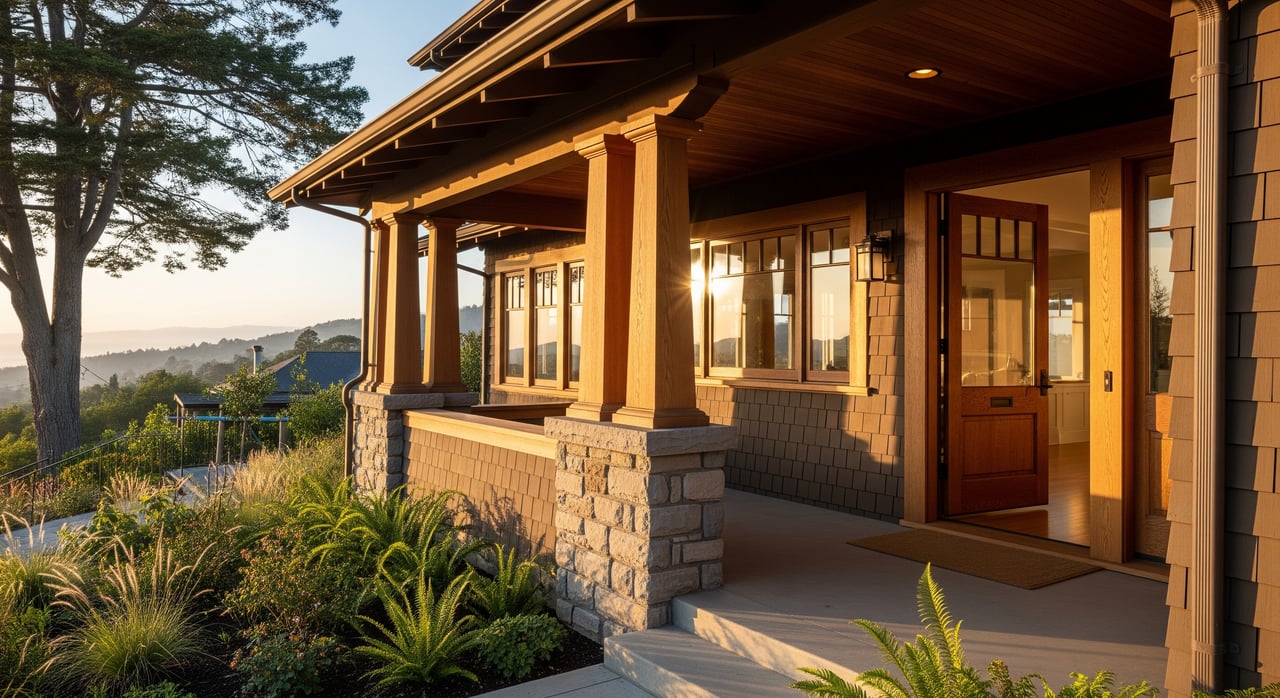
- Welcoming porches with tapered columns. Deep porches support indoor-outdoor living and friendly block life. Keep pier materials and column bases intact when possible.
- Clinker brick and textured masonry. These irregular, darker bricks feel handmade and unique. If you repair, match color and texture so patches do not stand out.
- Natural wood shingle or siding. Original shingle cladding and stained finishes fit the style. Avoid incompatible, uniform materials that erase texture and depth.
- Leaded glass and multi-pane windows. Grouped casements and divided-light upper sashes read as true craftsmanship from the curb.
Interior features buyers love
- Built-ins that work hard. Bookcases, window seats, buffets, and inglenooks add storage, display space, and cozy zones that modern homes rarely match.
- Millwork with real presence. Wide baseboards, picture rails, wainscoting, and beamed ceilings show skill and proportion. Quarter-sawn oak trim is often a standout.
- Fireplaces with soul. Clinker brick or tile surrounds and substantial mantels anchor the living room. An intact surround draws attention in photos and showings.
- Period windows and hardware. Original glass, true muntin profiles, panel doors, and Craftsman hardware support the whole story of the house.
Updates that respect character
The best updates retain original fabric, match scale and material, and stay reversible when possible.
Kitchens that feel at home
- Favor shaker or flat-panel cabinetry in wood tones or muted paints.
- Keep adjacent built-ins like a dining-room buffet and preserve original casings.
- If you open a layout, salvage and re-install trim to maintain continuity.
Bathrooms with timeless finishes
- Save original tile when you can. If you must replace, match size, pattern, and scale.
- Pedestal sinks and wood built-ins often suit smaller baths and keep the vibe consistent.
Windows and energy performance
- Repair wood windows first. Weatherstripping, re-glazing, and sash-cord or balance work usually improve function.
- Add interior or exterior storm panels, low-profile thermal shades, or secondary glazing to boost efficiency while keeping the original look.
Woodwork and finishes
- Refinish quarter-sawn oak and other natural wood when in good condition. Opaque paint can flatten grain and reduce appeal.
- Outside, choose earth-toned palettes common to Craftsman homes, like muted greens, tans, and deep reds.
Lighting, hardware, systems
- Use period-sympathetic fixtures and hardware. Modern pieces can work if forms and finishes are compatible.
- Run new mechanicals with minimal disruption and add insulation in attics and crawlspaces first. For walls, use minimally invasive techniques.
When replacement is unavoidable
- Replace visible parts like windows, doors, and porch elements in kind. If you cannot match exactly, specify custom or historically appropriate profiles.
- For windows, choose true divided lights or exterior-applied muntins that match original depth and sightlines.
Cost and buyer perception
Buyers of vintage East Bay homes usually value original or well-restored details. Fast, obvious replacements like vinyl windows, hollow-core doors, or mismatched trim can lower appeal. Tasteful, conservation-minded updates tend to preserve or improve marketability in vintage neighborhoods.
If you are weighing priorities, put attention on repaired porches and rooflines for curb appeal, refinished woodwork, efficient but compatible kitchens, and well-performing original windows.
Smart listing prep and photos
Tell the Craftsman story with images and captions that highlight the right details.
Photo checklist
- Street view that shows roofline, porch, and massing at midday and golden hour.
- Close-ups of porch columns, brick or stone piers, rafter tails, and knee braces.
- Clinker brick at chimney or hearth, plus tile and mantel details.
- Front door, latch, knob, and any sidelights or transoms.
- Grouped casement or double-hung windows that show leaded or divided lights.
- Built-ins and millwork, including picture rails and stair newels, with both room shots and detail close-ups.
- Kitchen elements that were preserved, such as a pantry, buffet, or apron sink.
- Before-and-after pairs that show careful refinishing.
Listing description tips
- Call out original features and any sensitive repairs, such as “Quarter-sawn oak bookcases, professionally refinished.”
- Note window conservation like “Wood windows repaired and weather-stripped with interior storm panels.”
- If the property sits in a local historic district or is landmarked, mention that exterior changes may be subject to review.
Permits and preservation basics
Many Berkeley and Oakland Craftsman homes fall within local historic districts or carry landmark status. Exterior changes, demolitions, and some replacements can trigger design review or permits through the City of Berkeley Planning and Development. Before altering significant exterior features, check with the local planning or historic preservation office.
If your home is designated, you may explore incentives like the Mills Act, which is administered locally with state guidance. Best-practice conservation is shaped by the Secretary of the Interior’s Standards for Rehabilitation and detailed National Park Service Preservation Briefs, including guidance on window repair and masonry. Local groups such as the Berkeley Architectural Heritage Association and the Oakland Heritage Alliance are also helpful for history and context.
Quick glossary
- Built-in. Permanently attached cabinetry or seating, like bookcases, buffets, or window seats.
- Inglenook. A small recessed seating area next to a fireplace, often with built-in benches.
- Millwork. Interior finish carpentry, including trim, baseboards, casings, mantels, and moldings.
- Quarter-sawn oak. A way of cutting oak that reveals straight grain and medullary rays.
- Clinker brick. Irregular, darker bricks with a vitrified look used for a rustic effect.
- Casement window. A side-hinged window that swings open, often used in groups.
- Double-hung window. A window with two vertically sliding sashes, often with a multi-pane top sash.
- Muntin. The narrow strip that divides panes of glass within a sash.
- Rafter tail. The exposed end of a roof rafter visible under the eave.
- Knee brace. A diagonal support under eaves or porch roofs, often decorative.
Ready to buy or sell a Craftsman in Berkeley, Oakland, or nearby? Our team pairs data-driven advice with hands-on renovation insight to help you protect character, plan smart updates, and maximize appeal. Connect with The BloomHomes Team for a walkthrough, feature checklist, or listing plan that fits your goals. Get Your Instant Home Valuation.
FAQs
What defines a Berkeley Craftsman home compared to other styles?
- Look for low-pitched gables with exposed rafter tails, deep porches with tapered columns, grouped divided-light windows, built-ins, and rich woodwork that reflect early 1900s craftsmanship.
Are original wood windows worth keeping in Berkeley’s climate?
- Yes, when repaired and weather-stripped, original wood windows often perform well, and you can add storm panels or secondary glazing to boost efficiency while preserving appearance.
Which kitchen updates suit East Bay Craftsman houses?
- Choose shaker or flat-panel cabinetry, muted wood tones, period-sympathetic tile, and integrated appliances, and retain adjacent built-ins and original casings when possible.
Do I need a permit to change my porch or windows in Berkeley?
- Many exterior changes require review or permits, especially in historic districts or for landmarks, so check with the City of Berkeley Planning and Development before starting work.
How should I photograph my Craftsman for a listing?
- Capture the roofline and porch in context, then take close-ups of rafter tails, columns, clinker brick, built-ins, windows, and fireplace details, with both room-wide and detail shots.
What paint colors fit a Craftsman exterior in the East Bay?
- Earthy, muted palettes like greens, tans, and deep reds complement shingle and wood siding and align with the historic Craftsman aesthetic.