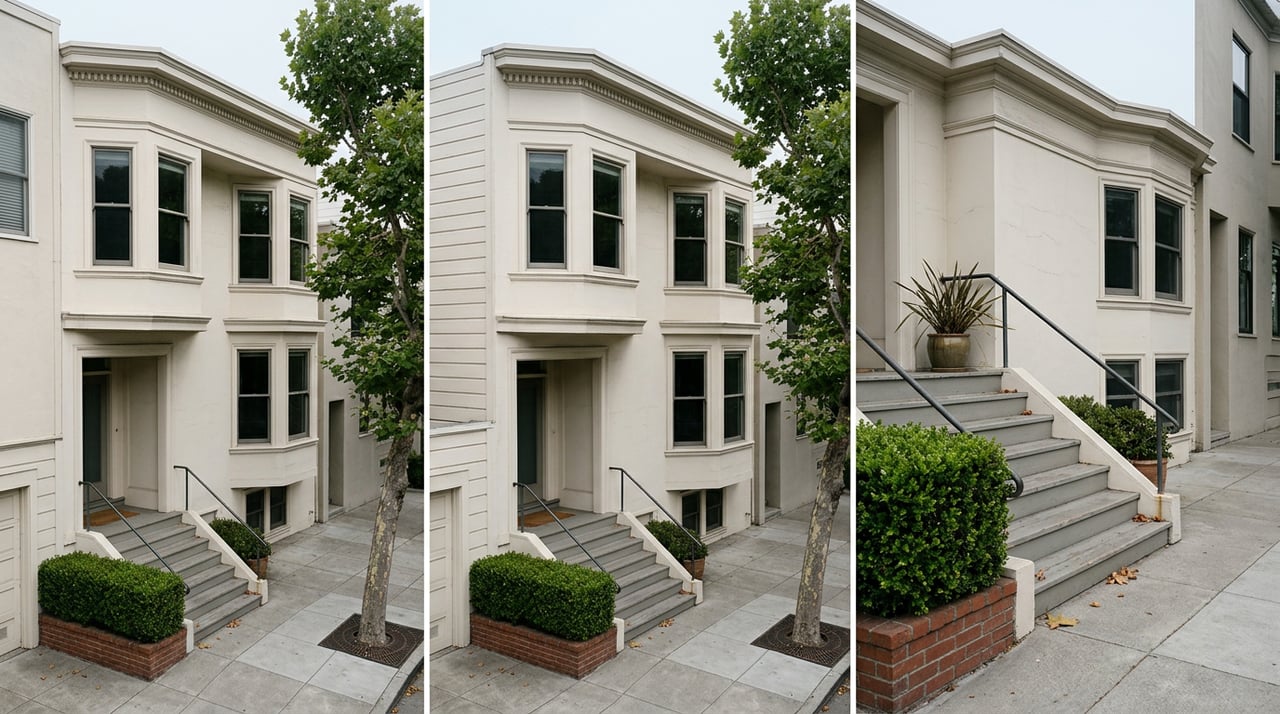
If Castro Valley is on your shortlist, you are not alone. Many buyers are drawn to its suburban feel, East Bay access, and a wide range of single-family homes and townhomes. Still, the market moves fast, and there are a few local rules and risks you should know before you tour. In this guide, you will learn current prices, how quickly homes sell, what inspections to expect, commute options, hazard basics, and the exact questions to ask on tour day. Let’s dive in.
Market at a glance
As of February 2026, Redfin’s snapshot shows a median sale price around $1,125,000 for Castro Valley. Zillow’s typical home value reads about $1,102,700 for the same period, while a recent Realtor.com update listed a median asking price near $998,500 from late 2025. These portals update on different cycles and use different methods, so you should expect a 5 to 15 percent spread across sources at any given time.
Homes that are well priced and well presented tend to move quickly. Local dashboards report median days on market in the mid teens, and many hot listings still close near or above list price. If a home fits your budget and needs, plan for a fast, data-driven decision.
Price per square foot varies by neighborhood and home type. One recent snapshot placed the listed price per square foot around the high $500s. Always check up-to-the-minute MLS data for your target micro-market before you make an offer.
What your budget buys
Single-family homes
Most single-family sales cluster in the 950,000 to 1.5 million range, with higher prices common in hill pockets and the 94552 zip code. Lot size, updates, and views can push values higher. In flatter or older neighborhoods, you may find more approachable entry points for similar square footage.
Condos and townhomes
Condos and townhomes often trade well below single-family levels. Recent examples range from the mid 500s to the low or mid 800s for many units, with larger or premium townhomes approaching higher tiers. Inventory for condos is modest compared with single-family homes, so be ready to act when a solid fit appears.
Micro-markets to know
Expect meaningful differences between Central or Downtown Castro Valley, Lake Chabot and Palomares Hills areas, West Castro Valley, and the hill neighborhoods that reach toward Palomares and Cull Canyon. Zip codes often tell part of the story too. The 94546 and 94552 zips can show different price patterns, so compare recent nearby sales rather than relying on citywide medians.
Inspections and a key local requirement
Common inspection findings
Across the East Bay’s housing stock, inspectors often flag grading and drainage issues, roof age and condition, older plumbing lines or aging water heaters, electrical panel updates and missing GFCI protection, HVAC age, and moisture or ventilation concerns. Termite and wood decay notes are common in older wood-framed homes, and hill locations may introduce retaining wall or surface drainage items. Plan for a thorough inspection and a clear negotiation strategy if serious issues appear. For a useful overview of typical findings, review this buyer checklist on common inspections from an industry resource at AmeriSave.
Mandatory Private Sewer Lateral (PSL)
Castro Valley properties are subject to a Private Sewer Lateral Compliance Certificate at the time of sale. The Castro Valley Sanitary District requires a valid PSL certificate for transfer under Ordinance No. 179. If the property does not have a current certificate, the seller or a negotiated party must obtain a CCTV inspection with a CVSan permit. If the line fails, repairs or replacement may be required, or the parties can use a time extension process through CVSan while work is arranged. Learn the steps and permit details on CVSan’s PSL program page.
Practical tip: ask early whether a current PSL Compliance Certificate exists and verify through the CVSan permit system. If not, budget for the inspection and potential repair or negotiate for the seller to address it during escrow.
Schools and enrollment basics
Castro Valley is primarily served by Castro Valley Unified School District, which lists nine elementary schools, two middle schools, and multiple high school options. You can view enrollment information, district contacts, and reports on the CVUSD website.
Many families review third-party performance sites as one data point. For example, Palomares Elementary and Castro Valley High have historically received strong community ratings on GreatSchools. You can see a sample profile for Palomares Elementary. Always confirm your property’s school assignment and any special programs directly with CVUSD, since boundaries and offerings can change.
Commute and daily travel
Castro Valley has its own BART station on the Dublin or Pleasanton to Daly City line, with AC Transit bus connections. You can review service, parking, and schedules at the Castro Valley BART Station page. While BART is a strong option to reach many job centers, most households remain car dependent for daily errands and first or last mile access.
By car, Castro Valley sits along I-580, with access to I-238 and I-880. Peak drive times vary widely by destination and time of day. When you tour a home, test a door-to-door route for a typical morning and evening commute, including station parking if you plan to use BART.
Natural hazards to consider
Earthquakes
The East Bay’s Hayward Fault is a primary seismic concern for Alameda County. When you are serious about a property, check whether the parcel falls in a mapped fault zone or setback and review the foundation or retrofit history with your inspector. The USGS maintains research and data on the Hayward Fault system.
Wildfire
Portions of the Castro Valley hills appear in higher wildfire hazard areas in county and CalFire assessments of the East Bay Hills. Hillside and canyon parcels may have defensible space requirements and insurance considerations. For planning context, see Alameda County wildfire materials in CalFire’s community wildfire plan resources.
Flood and climate
Most Castro Valley parcels show low to minor flood exposure in many third-party models, while heat and wildfire risk can be more notable over 30-year horizons. For any specific property, lean on official FEMA flood maps and insurer guidance, and have your agent request any prior insurance exceptions noted by the seller.
Castro Valley vs. Hayward and San Leandro
Recent snapshots from February 2026 show Castro Valley’s median sale price above nearby Hayward and San Leandro. As a quick frame, Castro Valley is around 1.125 million, Hayward around 870,000, and San Leandro around 759,000 based on the same source period. Buyers often weigh the premium against tradeoffs like lot size in many neighborhoods, district reputation, and nearby regional park access around Lake Chabot and Cull Canyon.
Hayward and San Leandro can offer lower entry prices and, in some pockets, closer-in city amenities. Your best move is to compare recent sold comps at the block-by-block level, then decide if you prefer a lower price point or the specific features that come with Castro Valley.
Tour-day checklist and questions
Use these targeted questions to save time and stress during tours and disclosures review:
- Title and sewer lateral: Does the property already have a CVSan Private Sewer Lateral Compliance Certificate? If not, who will obtain it during escrow, and what timeline is realistic? Review process details on CVSan’s PSL page.
- Recent permits and systems: Can the seller provide permits or invoices for roof, foundation, seismic, sewer, HVAC, or other major systems completed in the last 10 to 15 years?
- Inspections and history: Has there been a sewer CCTV inspection in the last 10 years? Any prior termite or wood-destroying organism reports? For common findings to expect, see this inspection checklist overview.
- Neighborhood and schools: What are the current school boundaries for this address, and which elementary, middle, and high school does it feed? Confirm assignments with CVUSD.
- Hazards and insurance: Is the parcel in a mapped fault zone, a CalFire fire hazard severity zone, or a FEMA flood zone? Review maps and ask whether any insurer has noted exceptions or surcharges. Start with USGS Hayward Fault context and county or CalFire layers.
- Commute and access: What is the realistic door-to-door time to your workplace, including parking or transfers if you plan to use BART? Check service and parking info for the Castro Valley BART Station.
How we help you win
Buying in a competitive East Bay market calls for a clear plan. We pair rigorous market analysis with hands-on negotiation and renovation fluency so you can bid with confidence. You get on-the-ground comps for your exact micro-market, a fast read on disclosures and inspections, and practical guidance on PSL, seismic, drainage, and permit questions.
If you want a private tour strategy, inspection game plan, or a second look at neighborhood tradeoffs, reach out to The BloomHomes Team. We will help you evaluate the right homes, time your offer, and negotiate for the best outcome.
FAQs
What is the current median home price in Castro Valley?
- Recent snapshots show a median sale price around $1,125,000 as of February 2026, with Zillow’s typical value near $1,102,700 and a late 2025 listing median around $998,500, which reflects different data methods and update cycles.
Do I need a sewer lateral certificate to buy in Castro Valley?
- Yes, a Private Sewer Lateral Compliance Certificate is required at sale under CVSan rules; if there is no valid certificate, a permitted CCTV inspection and any required repairs or a time extension must be arranged, so review the CVSan PSL guidance.
How competitive are offers right now?
- Homes that show well often receive strong interest, with median days on market in the mid teens and many hot listings closing near or above list price, which means you should be prepared to act quickly on a match.
Are certain Castro Valley areas higher risk for earthquakes or wildfire?
- The region is near the Hayward Fault and some hillside pockets appear in higher wildfire hazard zones, so review parcel-level maps and reports using USGS Hayward Fault resources and county or CalFire data.
What are typical condo and townhome prices?
- Many condos and townhomes trade from the mid 500s to the low or mid 800s depending on size and location, though inventory is more limited than single-family homes.
Is Castro Valley walkable and good for transit?
- Many households are car dependent for errands and first or last mile access, but the Castro Valley BART Station connects to the Dublin or Pleasanton to Daly City line, so evaluate your specific property’s walk or bike route and parking options using the station page.