Thinking about buying in San Francisco and stuck between a TIC and a condo? You’re not alone. Both can unlock the city’s classic architecture and prime locations, yet they work very differently once you look under the hood. Choosing the right fit comes down to how you want to own, finance, budget, and eventually resell.
In this guide, you’ll learn the core differences between TICs and condos in San Francisco, what lenders look for, how monthly costs are set, and what impacts resale and timelines. You’ll also get a practical checklist you can use before you write an offer. Let’s dive in.
Quick definitions
What is a condo?
A condo gives you a separate deed to your individual unit plus a share of the common areas. You own the inside of your unit and an undivided interest in the building’s shared elements. Condos are governed by an HOA with bylaws, CC&Rs, budgets, reserves, and formal assessments under California’s Davis–Stirling Common Interest Development law.
What is a TIC?
A TIC, or Tenancy in Common, gives you an undivided fractional interest in the entire property, paired with an agreement that assigns you the right to occupy a specific unit. You do not receive a separate unit deed. TICs are governed by private co‑ownership agreements rather than Davis–Stirling. The quality and detail of these agreements vary, which makes due diligence essential.
How TICs fit in San Francisco
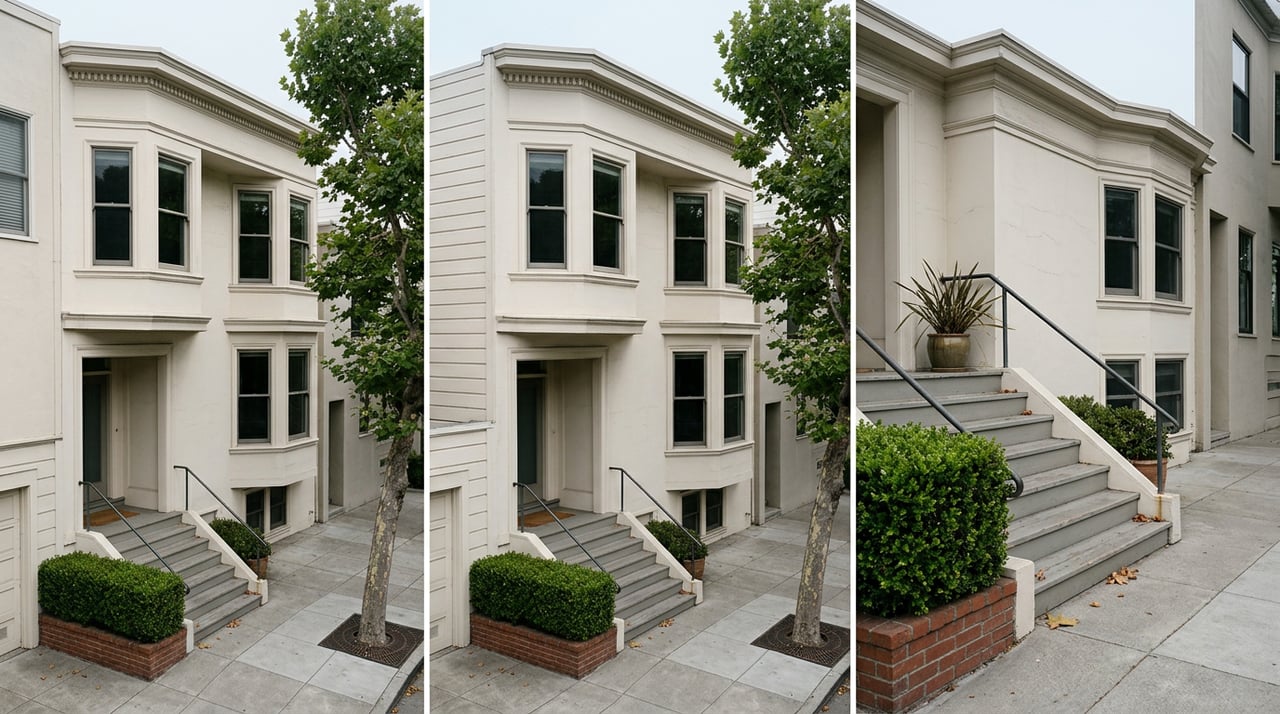
TICs are woven into San Francisco’s older housing stock, especially classic multi‑unit flats that were never converted to condos. You’ll see them throughout neighborhoods with vintage buildings, including parts of the Richmond, Sunset, Noe Valley, the Mission, and the Castro. Buyers often consider TICs to access a lower purchase price per square foot or to buy into an architecturally distinctive building that has not converted.
Ownership and governance differences
Title and use rights
- Condo: You hold title to a specific unit plus a share of common elements. Your unit is a separate legal parcel, which simplifies certain transfers and financing pathways.
- TIC: You hold a percentage interest in the entire property. Your exclusive use of a unit comes from the TIC agreement and related occupancy provisions.
Governance and disclosures
- Condo: The HOA operates under Davis–Stirling with standardized disclosures, budgets, meeting rules, and reserve studies. You can review CC&Rs, bylaws, meeting minutes, and reserve reports to understand governance and financial health.
- TIC: The co‑ownership agreement controls how expenses are shared, how decisions are made, and how you can transfer your interest. Since these documents are privately drafted, content and protections differ widely. Strong agreements help, while weak or vague ones can create friction.
Rent rules and occupancy
TIC or condo status does not exempt a unit from San Francisco’s rent and eviction laws. If a unit is rented or has tenant history, local rules may apply. Always verify occupancy status and any rent control implications before you commit.
Financing: what to expect
Condo loan access
Condos typically have broad financing options. Conventional and jumbo loans are widely available, and some projects can qualify for FHA or VA financing if they meet program requirements. Lenders review the condo project’s budget, reserves, owner‑occupancy levels, and any litigation.
TIC lenders and fractional loans
TIC financing is a more specialized lane. In San Francisco, many TIC buyers use individual fractional loans that finance their specific ownership interest. These loans are commonly offered by regional banks, credit unions, or specialty lenders that keep loans in portfolio. Availability and terms vary by lender, which is why early pre‑approval with a TIC‑savvy lender is critical.
Down payments and underwriting
Expect tighter underwriting for TIC loans than for condo loans.
- Down payment: Owner‑occupied TICs often require 15 to 25 percent down. Second homes or investment TICs typically require 25 percent or more, depending on the lender.
- Reserves: Lenders may require more months of reserves for TICs.
- Credit and DTI: Standards are similar to condos but can be stricter for TICs.
- Documentation: Lenders will review the full TIC agreement, occupancy provisions, any master loan, building budget, insurance, and estoppel certificates. Title insurers may add special endorsements.
FHA, VA, and GSE programs
FHA and VA provide clearer paths for approved condo projects than for TICs. TIC eligibility with federal agencies is more limited and can change over time. If you need FHA or VA, a condo in an eligible project is usually the more predictable route. Always confirm current policies with your lender.
Monthly costs and insurance
HOA vs TIC assessments
- Condo: HOA fees follow the HOA’s budget and reserve study. They usually fund building insurance, exterior maintenance, common utilities, and reserves. Special assessments can occur for major projects.
- TIC: Monthly assessments are set by the co‑ownership budget and agreement. Because TICs are privately governed, reserve planning can vary. Some TICs keep assessments low by underfunding reserves, which can lead to larger special assessments later. Focus on budgets and reserves, not just the monthly number.
Insurance basics
- Condo: The HOA’s master policy typically covers the structure and common areas. You carry an HO‑6 policy for interior improvements and personal property.
- TIC: There is usually a master building policy, but coverage details depend on the TIC agreement. Lenders will want proof of adequate coverage and endorsements. Title insurance is available for TIC interests and must reflect the fractional ownership structure.
Property taxes and reassessment
When you buy a TIC interest, that transfer can trigger reassessment of the fractional interest under California’s tax framework. Conversions from TIC to condo can also have tax implications. Because outcomes depend on how the interest is conveyed and local treatment, confirm specifics with a tax professional or the local assessor.
Resale and marketability
Buyer pool and pricing
Condos attract a broader buyer pool. Financing is simpler, more lenders participate, and FHA or VA buyers may be able to purchase if the project qualifies. This wider pool generally supports faster resales and tighter pricing.
TICs tend to sell at a discount relative to comparable condos. The discount reflects financing friction, perceived legal or management complexity, and a smaller buyer audience. Some buyers choose TICs for the lower entry price or unique buildings, but you should plan for more selective demand at resale.
Risks to watch
- Financing friction: Fewer lenders and longer underwriting can slow closings and reduce offers.
- Contract quality: Uneven TIC agreements can lead to disputes or uncertainty that affects value.
- Transfer rules: Right of first refusal or complex buy‑sell terms can delay sales.
- Conversion variables: Converting to condos can improve liquidity, but it requires legal steps, potential upgrades, costs, and cooperation among co‑owners.
Timelines and process
Typical condo escrow
A standard condo purchase with conventional financing often closes in 30 to 45 days. All‑cash purchases can close faster. FHA or VA reviews can add steps, but the process is common and predictable once the project qualifies.
Typical TIC escrow
Plan for 45 to 60 days or more. Lenders often request additional documents from the TIC group, including estoppels, management details, and confirmations about transfer provisions. If you need to switch lenders mid‑escrow, expect delays. Start lender review and document collection as soon as your offer is accepted.
Due diligence checklist
For condos
- CC&Rs, bylaws, and any rules or rental caps
- HOA meeting minutes for the last 12 to 24 months
- Current budget, reserve study, and financials
- Insurance declarations for the master policy
- Litigation disclosures and special assessment history
- Owner‑occupancy levels and project eligibility for financing
- Full title report and all seller disclosures
For TICs
- Full TIC and occupancy agreements, including buy‑sell and transfer terms
- Building budget, reserve practices, and financials
- Master insurance policy and any master loan documents
- Estoppel certificates or attorney’s letter if available
- Maintenance logs, litigation disclosures, and assessment history
- Title report, seller disclosures, and any structural or pest reports
For both property types
- Property condition inspections and system checks
- Earthquake retrofit status and any required upgrades
- Insurance needs for your unit and personal property
- Lender confirmation that the building and ownership form meet program rules
Which path fits your goals?
Choose a condo if you want standardized governance, wider financing choices, and stronger resale liquidity. The HOA framework and reserve studies offer a more predictable operating picture, and the buyer pool is broad.
Consider a TIC if you value a lower purchase price or access to a unique building and you are comfortable with co‑ownership rules and a smaller lender set. You should be prepared for a more detailed document review, a potentially higher down payment, and a longer escrow.
A quick way to decide is to start with financing. If you need FHA or VA, or if your profile is near the edge of lender guidelines, a condo is usually the practical choice. If you are well qualified, comfortable with fractional ownership, and focused on price per square foot, a TIC may open doors.
Next steps
If you are comparing a specific TIC and condo, get pre‑approved with the right lender early and line up the documents you will need to review. We regularly help buyers stress‑test budgets, analyze reserve strength, and negotiate timelines that keep deals on track.
If you want a clear, data‑forward read on your options in San Francisco, reach out to The BloomHomes Team. We will walk you through financing paths, governance documents, and resale tradeoffs so you can choose with confidence.
Ready to compare your short list and map the best offer strategy? Contact The BloomHomes Team to get started.
FAQs
What is the main difference between a TIC and a condo in San Francisco?
- A condo gives you a separate unit deed under an HOA, while a TIC gives you a fractional interest in the whole property with unit rights set by a private co‑ownership agreement.
How does financing differ for TICs versus condos in San Francisco?
- Condos have broad lender access and possible FHA or VA options, while TICs rely on specialized lenders offering fractional loans with stricter terms and documentation.
Are TIC monthly assessments usually cheaper than condo HOA fees?
- Not necessarily, since TIC budgets vary widely; low TIC fees can reflect thin reserves that may lead to larger special assessments later.
How long does a TIC purchase usually take to close in San Francisco?
- Plan on 45 to 60 days or more due to specialized underwriting and extra document reviews, compared with about 30 to 45 days for many condo purchases.
Do San Francisco rent control rules apply differently to TICs and condos?
- TIC or condo status does not determine rent control; local rent and eviction rules can apply based on occupancy and tenancy, so verify the unit’s status.
Will converting a TIC to condos improve resale prospects in San Francisco?
- Often yes, since condos draw a larger buyer pool and broader financing, but conversion requires legal steps, possible building upgrades, costs, and agreement among co‑owners.